
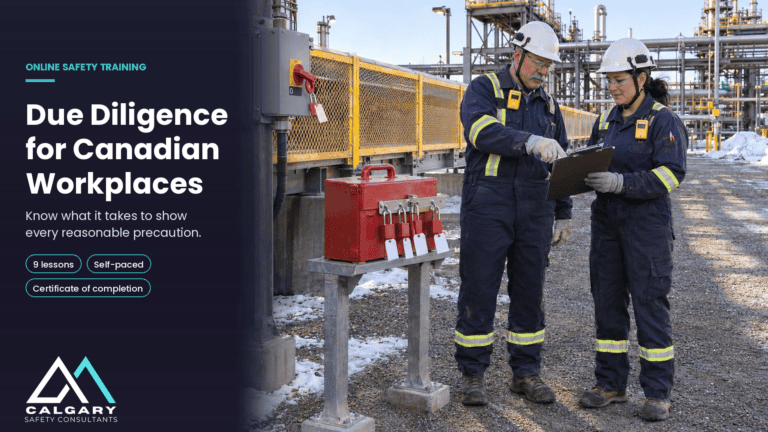
For employers, directors, managers, supervisors and safety staff across Canada learning what due diligence means, how courts judge it and how to build it into everyday work. About 4.5 hours, self-paced, with a certificate after successful completion.
Online Safety Training for Canadian Workplaces
Choose practical, self-paced online safety training for workers, supervisors, managers and health and safety committee members. Open a course to review its price, content and completion requirements before enrolling.
Online safety training can build knowledge and support a workplace training program, but a course or completion certificate does not by itself prove task competence, authorization, legal compliance, or effective implementation. Employers must verify the requirements, hazards, practical skills, supervision, and records that apply to the work.
Training a team? See group enrolment below. Already enrolled? Go to My Courses.
Browse online safety courses
Who it’s for
Training area
Price
Showing all courses
No course matches all of those filters yet. Try clearing one, or ask us about training for your team.
$39.99
Due Diligence for Canadian Workplaces
$24.99
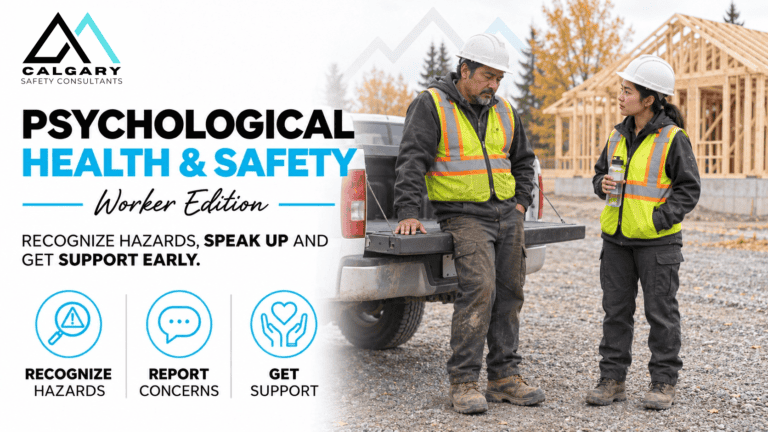
Psychological Health and Safety: Worker Edition
For workers across Canada learning to recognize psychosocial hazards, respond to harassment and violence, notice strain in themselves and coworkers, and get support early. About 1.5 hours, self-paced, with a certificate after successful completion.
$34.99
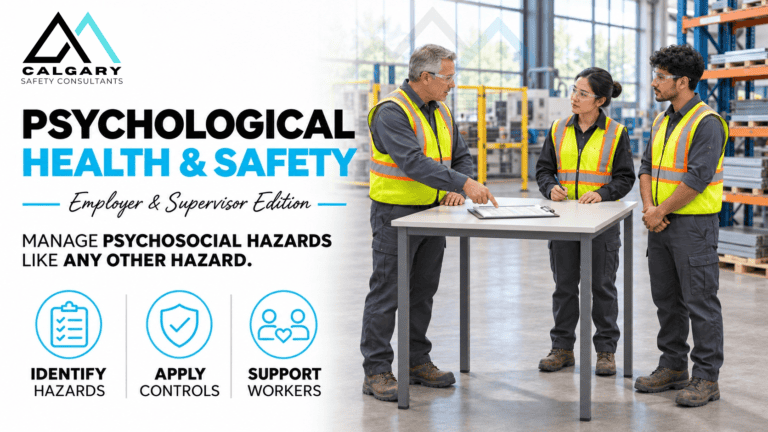
Psychological Health and Safety: Employer and Supervisor Edition
For employers, managers and supervisors across Canada learning to manage psychosocial hazards like any other workplace hazard, with workers involved. About 2 hours, self-paced, with a certificate after successful completion.
$24.99
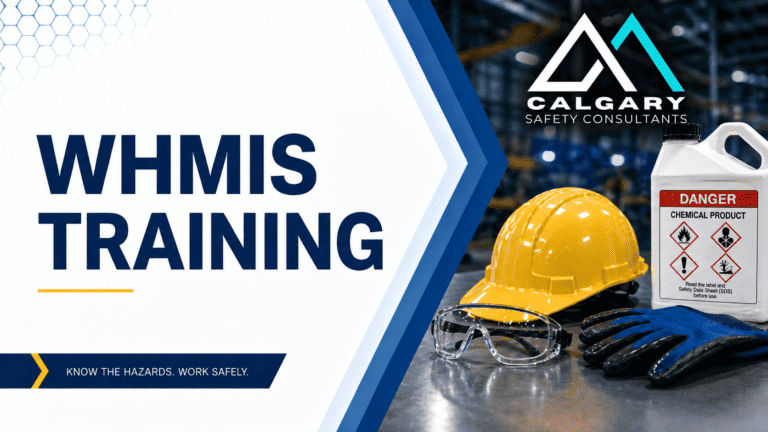
WHMIS Training for Canadian Workplaces
For workers who use or handle hazardous products at work. About 2.5 to 3 hours, self-paced, with a certificate after successful completion.
$49.99
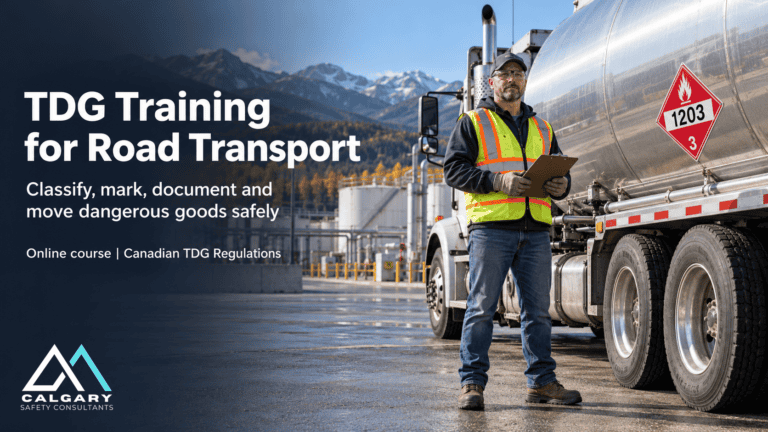
TDG Training for Road Transport
For workers, drivers and supervisors who handle, offer for transport or transport dangerous goods by road. About 9.5 to 10 hours, self-paced, with a certificate after successful completion.
$49.99
Joint Health and Safety Committee Training Alberta
For Alberta health and safety committee members and representatives learning their role and how to make the committee effective. About 2 to 2.5 hours, self-paced, with a certificate after successful completion.
$45.99
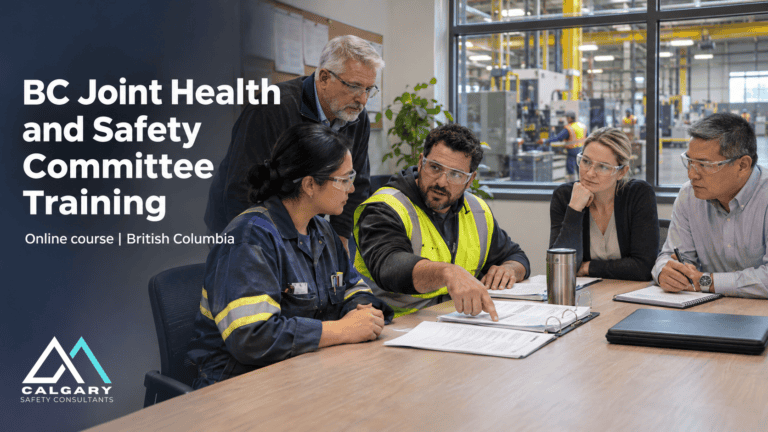
BC Joint Health and Safety Committee Training
For new and current joint health and safety committee members in British Columbia learning what BC law requires and how to make the committee work well. About 12 hours, self-paced, with a certificate after successful completion.
$45.99
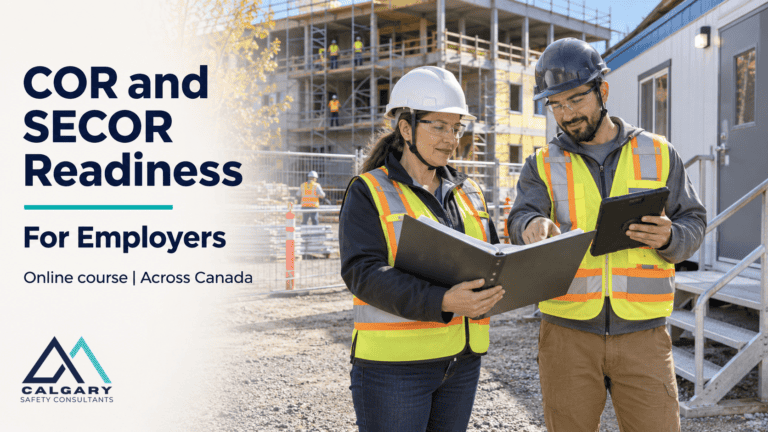
COR and SECOR Readiness for Employers
For owners, managers and safety coordinators across Canada who are preparing for COR or SECOR, or keeping the certificate they have. About 5.5 hours, self-paced, with a certificate after successful completion.
$29.99
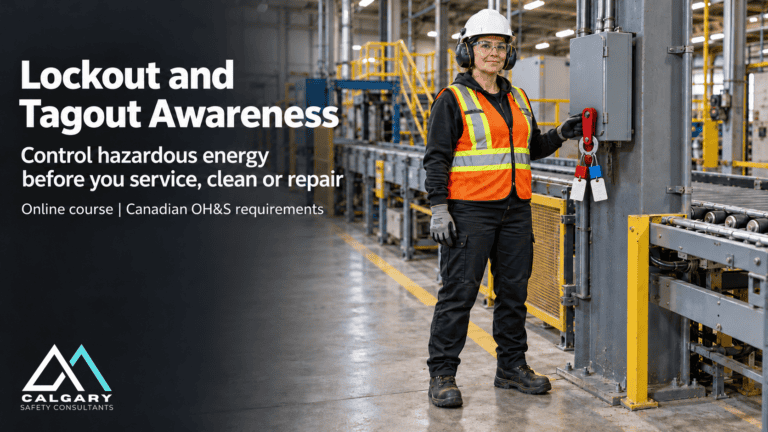
Lockout and Tagout Awareness
For workers, supervisors, maintenance staff and contractors who operate, clean or maintain equipment and need to know how hazardous energy is controlled. About 5.5 to 6 hours, self-paced, with a certificate after successful completion.
$34.99
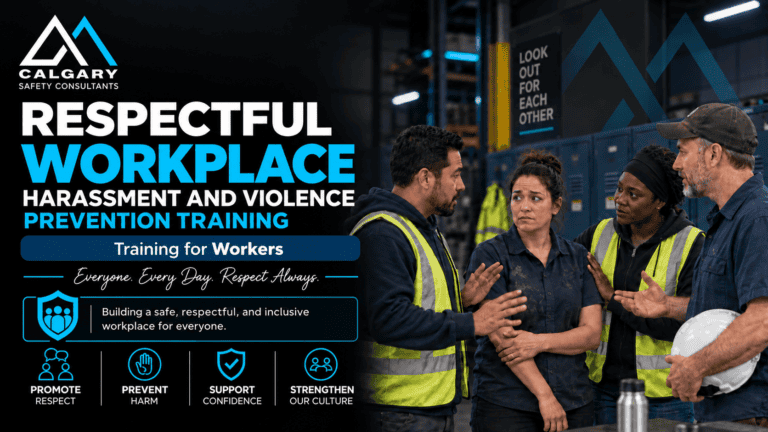
Respectful Workplace Training – Worker Edition
For workers, new hires and contractors learning to recognize harassment and violence, respond safely, report concerns and find support. About 3 to 4 hours, self-paced, with a certificate after successful completion.
$49.99
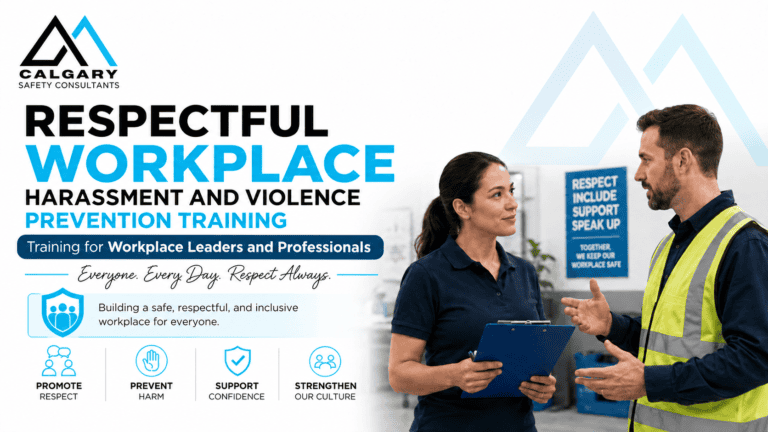
Respectful Workplace Training for Leadership, HR, and Safety Professionals
For leaders, HR and safety professionals addressing workplace harassment and violence. About 7 to 8.5 hours, self-paced, with a certificate after successful completion.
$39.99
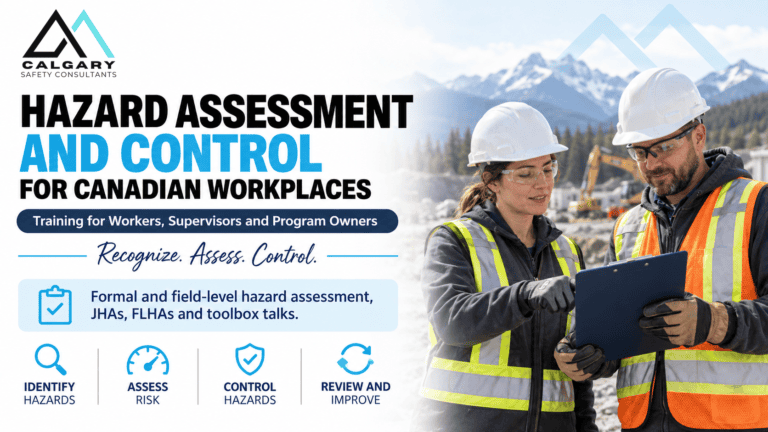
Hazard Assessment and Control for Canadian Workplaces
For workers, supervisors and safety program owners learning to find hazards, rate risk, choose controls and use JHAs, FLHAs and toolbox talks. About 4 to 5 hours, self-paced, with a certificate after successful completion.
$24.99
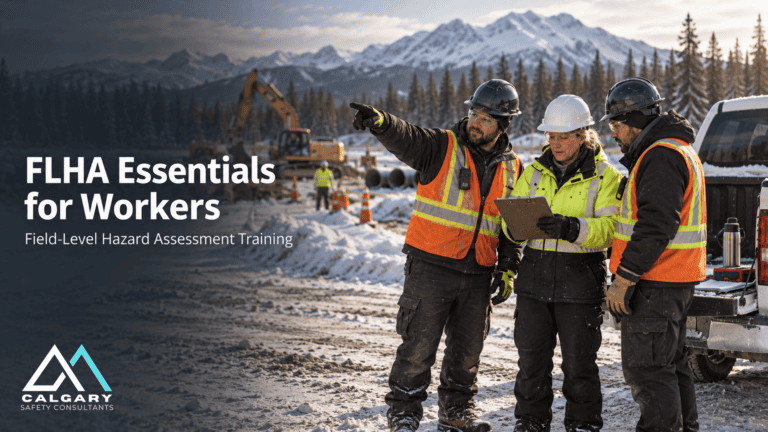
FLHA Essentials for Workers
For Canadian workers learning to complete a good field-level hazard assessment before work starts, using the 12 CSC Energy Sources. About 1.5 to 2 hours, self-paced, with a certificate after successful completion.
$34.99
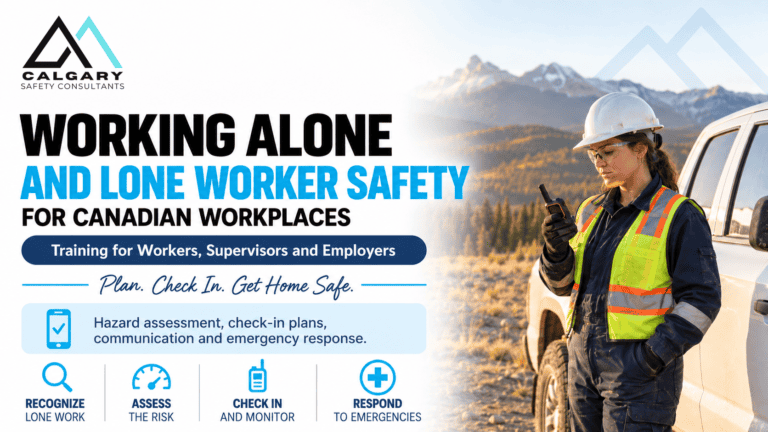
Working Alone and Lone Worker Safety for Canadian Workplaces
For workers, supervisors and employers planning lone work, setting up check-in plans and responding when a check-in is missed. About 3.5 to 4 hours, self-paced, with a certificate after successful completion.
$24.99
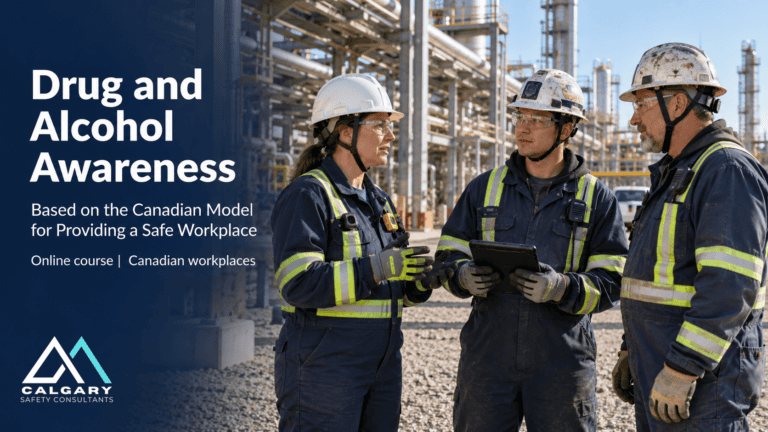
Drug and Alcohol Awareness (Canadian Model)
For workers in safety-sensitive jobs across Canada who work under an alcohol and drug policy based on the Canadian Model. About 2.5 hours, self-paced, with a certificate after successful completion.
$34.99
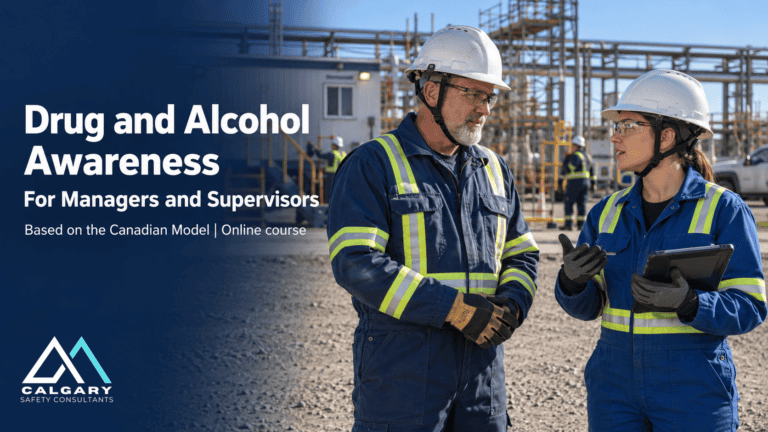
Drug and Alcohol Awareness for Managers and Supervisors (Canadian Model)
For supervisors, forepersons, lead hands and managers across Canada who lead safety-sensitive work under an alcohol and drug policy based on the Canadian Model. About 4 hours, self-paced, with a certificate after successful completion.
$49.99
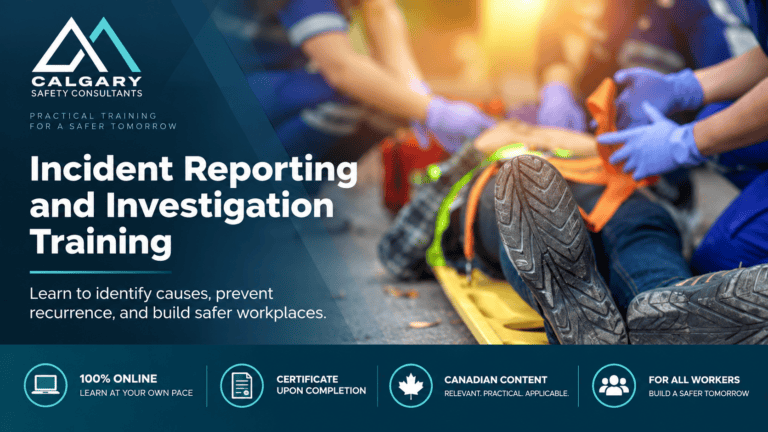
Incident Reporting and Investigation Training
For supervisors, committee members and safety personnel who report and investigate incidents and prevent them from happening again. About 6.5 to 8 hours, self-paced, with a certificate after successful completion.
$29.99
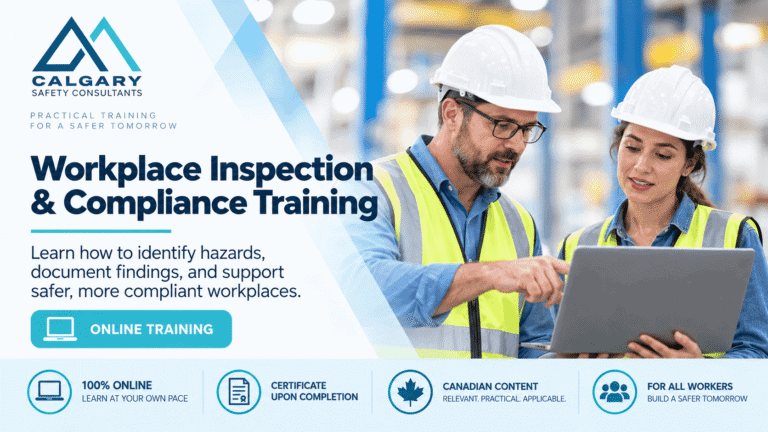
Online Inspection Training
For workers, supervisors, committee members and safety personnel who take part in workplace inspections and follow up on the hazards they find. About 3.5 to 4.5 hours, self-paced, with a certificate after successful completion.
$79.99
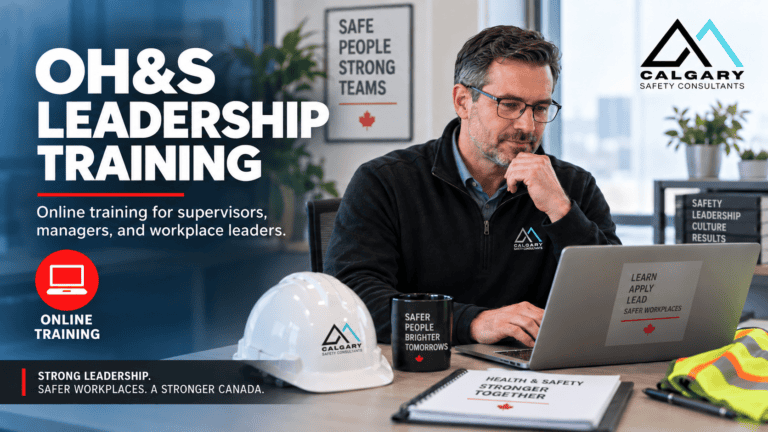
OH&S Online Leadership Training
For supervisors and managers building practical health and safety leadership skills. About 8 hours, self-paced, with a certificate after successful completion.
$34.99
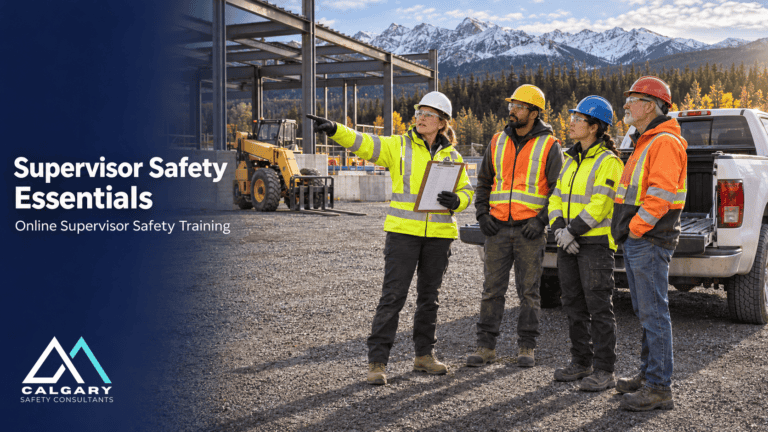
Supervisor Safety Essentials
For new and experienced supervisors across Canada learning their health and safety duties and how to lead safe work every shift. About 4 hours, self-paced, with a certificate after successful completion.
$79.99
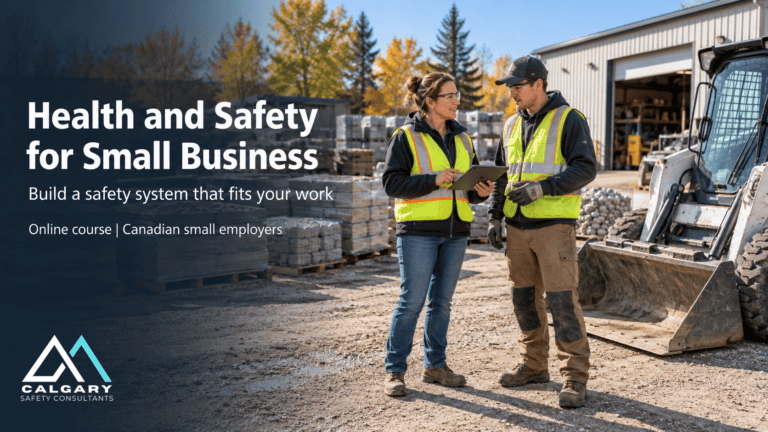
Health and Safety for Small Business
For small business owners, operators, managers and supervisors across Canada who need a practical health and safety system that fits the way their business works. About 16 to 18 hours, self-paced, with a certificate after successful completion.
$24.99

Online Office Ergonomics Training for Safer, More Comfortable Work
For office workers and supervisors improving workstation setup and work habits. About 75 to 90 minutes, self-paced, with a certificate after successful completion.
$24.99
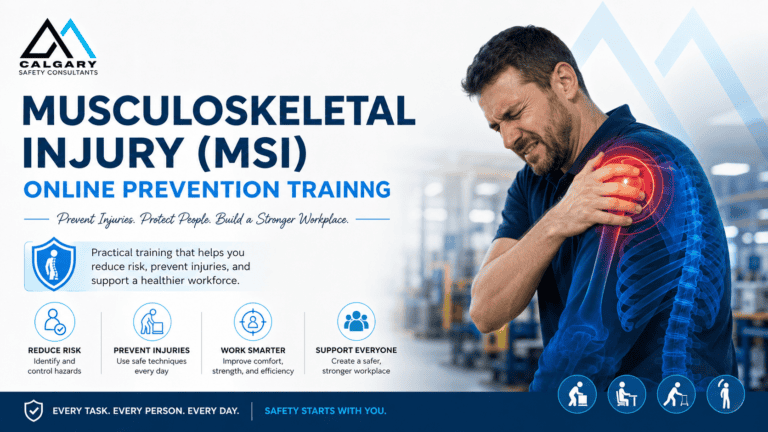
Musculoskeletal Injury (MSI) Prevention Training – Certificate of Completion
For workers and supervisors reducing strain from lifting, repetitive work and awkward postures. About 1.5 to 2 hours, self-paced, with a certificate after successful completion.
$29.99
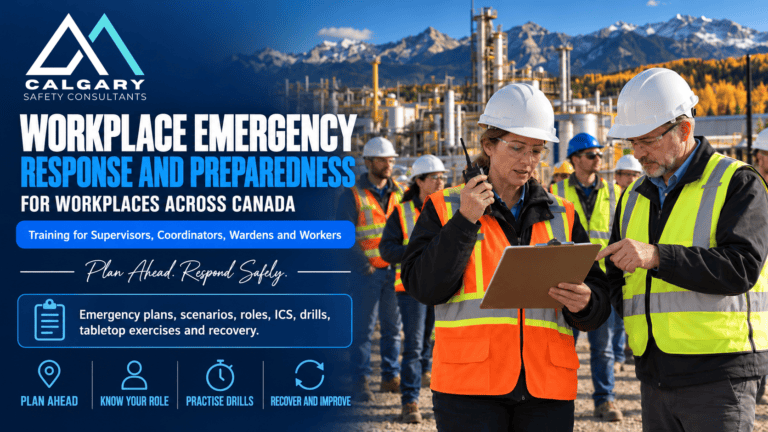
Workplace Emergency Response and Preparedness
For supervisors, managers, emergency coordinators, wardens and workers with assigned roles who plan for and respond to workplace emergencies. About 5 to 5.5 hours, self-paced, with a certificate after successful completion.
$45.99
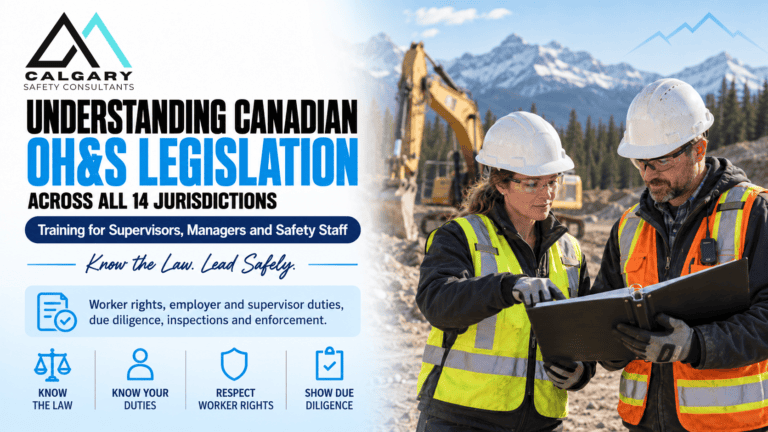
Understanding Canadian OH&S Legislation
For supervisors, managers and safety staff learning how OH&S law works across Canada’s 14 jurisdictions and what it expects of them at work. About 11 to 12 hours, self-paced, with a certificate after successful completion.
Free
New Worker Safety Essentials
For new, young and returning workers across Canada learning their rights, hazard control, PPE and how to speak up. Free to enrol, about 2 hours, self-paced, with a certificate after successful completion.
Free
Winter Season Work Safety
For workers, drivers, supervisors and small employers across Canada facing cold, ice, snow, winter roads, heaters and early darkness. Free to enrol, about an hour and three quarters, self-paced, with a certificate after successful completion.
Free
How to Build a Safety Orientation for New Employees
For owners, managers, supervisors and safety coordinators across Canada who need to build a safety orientation for new workers on a working health and safety program. Free to enrol, about 50 minutes, self-paced, with a certificate after successful completion.
Group enrolment
Training a team? Buy your enrolments online, then complete our Group Training Student Information form so we can set up each worker’s account. Separate student accounts and course access instructions are provided within 24 hours after we receive complete information.
Buying 10 or more seats of the same course? A 10% group discount is applied automatically at checkout. For instructor-led training or a custom group arrangement, contact us.
How to Use Online Safety Training Responsibly
Select training for the learner’s actual role, tasks, equipment, hazards, and jurisdiction. Course content can support orientation and knowledge development, but it must be connected to the employer’s workplace-specific controls and verification process.
- Confirm the governing requirements. Check the work location, industry, employer, workforce, activities, and any federal, provincial, territorial, contractual, client, or special regulatory regime.
- Match the course to the task. Add hands-on instruction, equipment-specific training, supervised practice, demonstrations, language or accessibility support, and a workplace competency assessment when the risk or governing requirement calls for them.
- Keep the certificate in context. A certificate records successful course completion. It is not a professional designation, regulatory approval, task authorization, or proof that a worker can perform safety-critical work without supervision.
- Implement the controls. Training is an administrative control. Employers must still apply the hierarchy of controls, provide suitable equipment and resources, supervise the work, consult workers where required, maintain records, and verify that controls remain effective.
- Use current information. Laws, standards, manufacturer instructions, emergency arrangements, and client requirements can change. Verify the current source and effective date before relying on a requirement.
Online Safety Training Questions
Does an online safety course make a worker competent?
Not by itself. Competence may require task-specific knowledge, practical skill, experience, equipment familiarity, supervised practice, a demonstration or assessment, and authorization. The employer must use the competency and duty-holder terms defined by the governing jurisdiction.
Does a completion certificate prove compliance?
No. It records course completion. Compliance depends on the applicable law and the employer’s actual hazard controls, training, supervision, worker participation, equipment, records, and implementation.
Can one course satisfy every Canadian jurisdiction?
No course should be treated as a universal legal solution. Canadian jurisdictions share many safety principles, but duties, terminology, thresholds, required training, and documentation can differ. Confirm the current official requirements for the workplace.
Is online training enough for safety-critical or emergency work?
Often it is only one part of the preparation. Practical instruction, drills, equipment-specific training, fitness or medical requirements, supervised practice, formal qualification, and workplace authorization may also be required. Workers must follow the site emergency plan and act only within their training, equipment, authority, and ability to do so safely.
Does a course guarantee COR or SECOR audit readiness?
No. Confirm the certifying partner, industry, certification level, current audit protocol and version, required training, and evidence expectations. Auditors assess implementation through documents and records, interviews, and workplace observations, not course certificates alone.
Official starting points: Canada Labour Code, Part II; Alberta OHS legislation; WorkSafeBC OHS Regulation; and Saskatchewan workplace safety information. Sources verified November 6, 2026.