Agriculture and Agri-Food Processing Safety Consulting
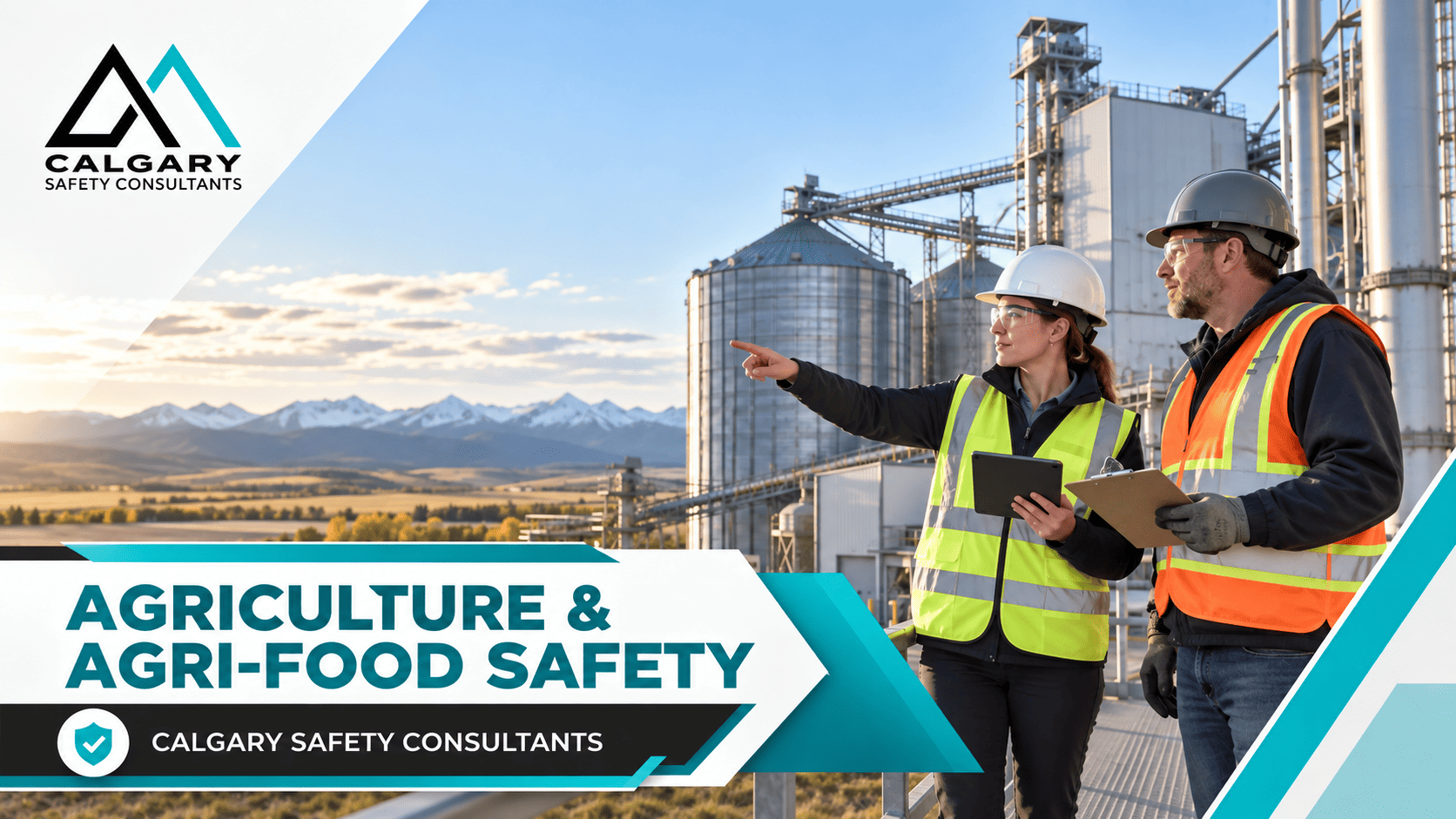
Agriculture Safety Consulting helps farms, livestock operations, greenhouses, agricultural services, food and beverage processors, grain, feed and storage operations address a defined workplace safety need with practical, documented support.
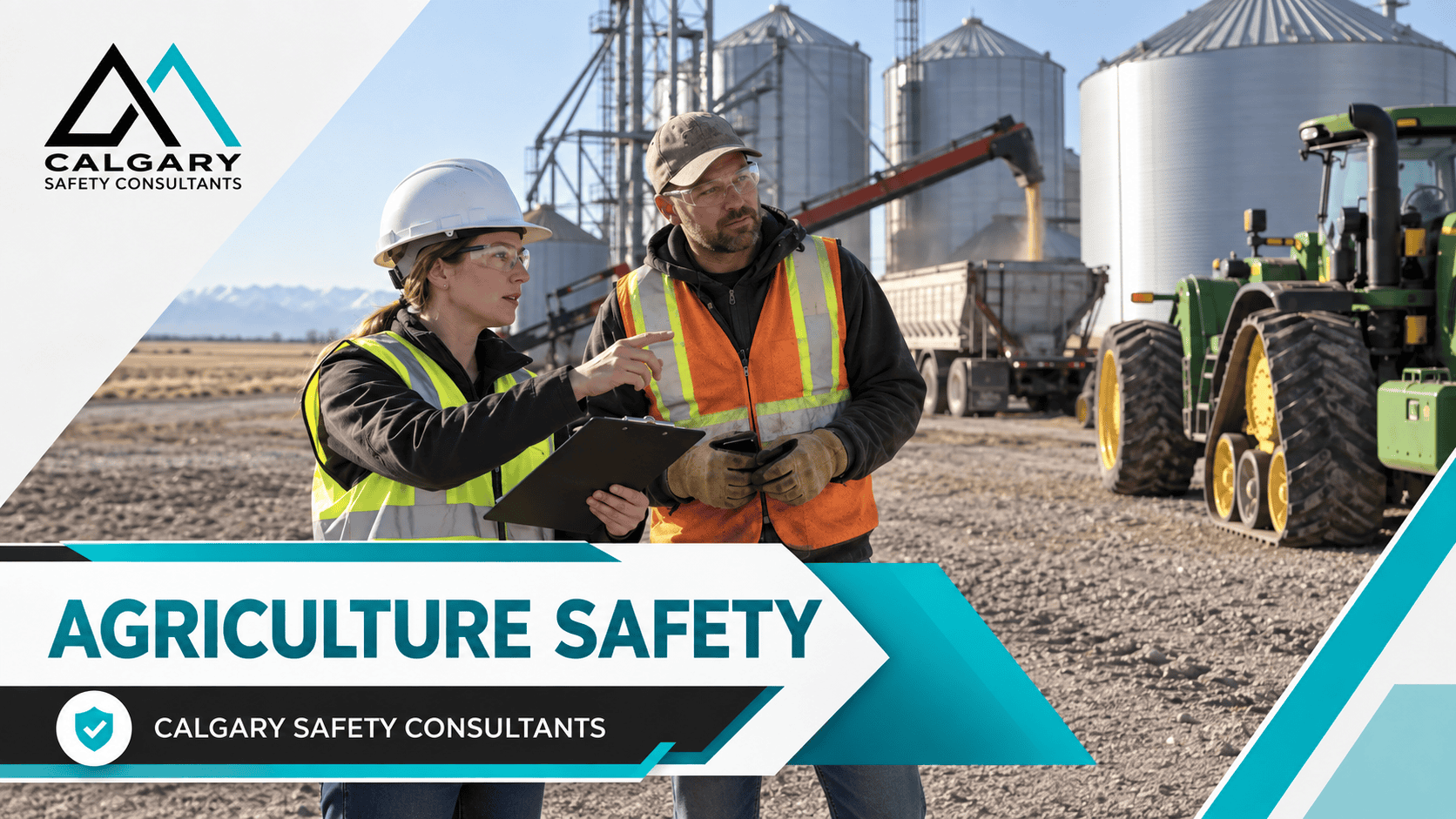
Agriculture and agri-food work combines machinery, mobile equipment, chemicals, animals, seasonal labour, storage, processing and remote locations. Safety systems must be practical enough for busy operations and clear enough for new and seasonal workers.
Calgary Safety Consultants works with employers across Alberta, British Columbia and Saskatchewan. We begin by understanding the operation, the current documents, the people involved and the result the employer needs.
Use the contact form or call 1-888-231-0358 to discuss timing, available records and whether remote, onsite or hybrid support is the right fit.
Why Agriculture Safety Consulting Matters
Useful agriculture safety consulting work produces more than a conversation. Depending on the project, expected deliverables can include:
- a prioritized safety assessment
- updated procedures, forms or orientation tools
- emergency-planning improvements
- training and record recommendations
- clear corrective actions
- follow-up options suited to the operating season
After the initial enquiry, we review the available information, clarify urgency and prepare a scope of work. Once approved, we complete the agreed review or development work, discuss findings and identify the next practical actions. Follow-up can be arranged to check progress or effectiveness.
No consulting assignment can guarantee regulatory approval, client acceptance, certification or an incident-free workplace. It can give the employer a clearer basis for decisions and a more organized path to improvement.
Agriculture and Agri-Food Processing Safety Consulting Should Reflect the Actual Work
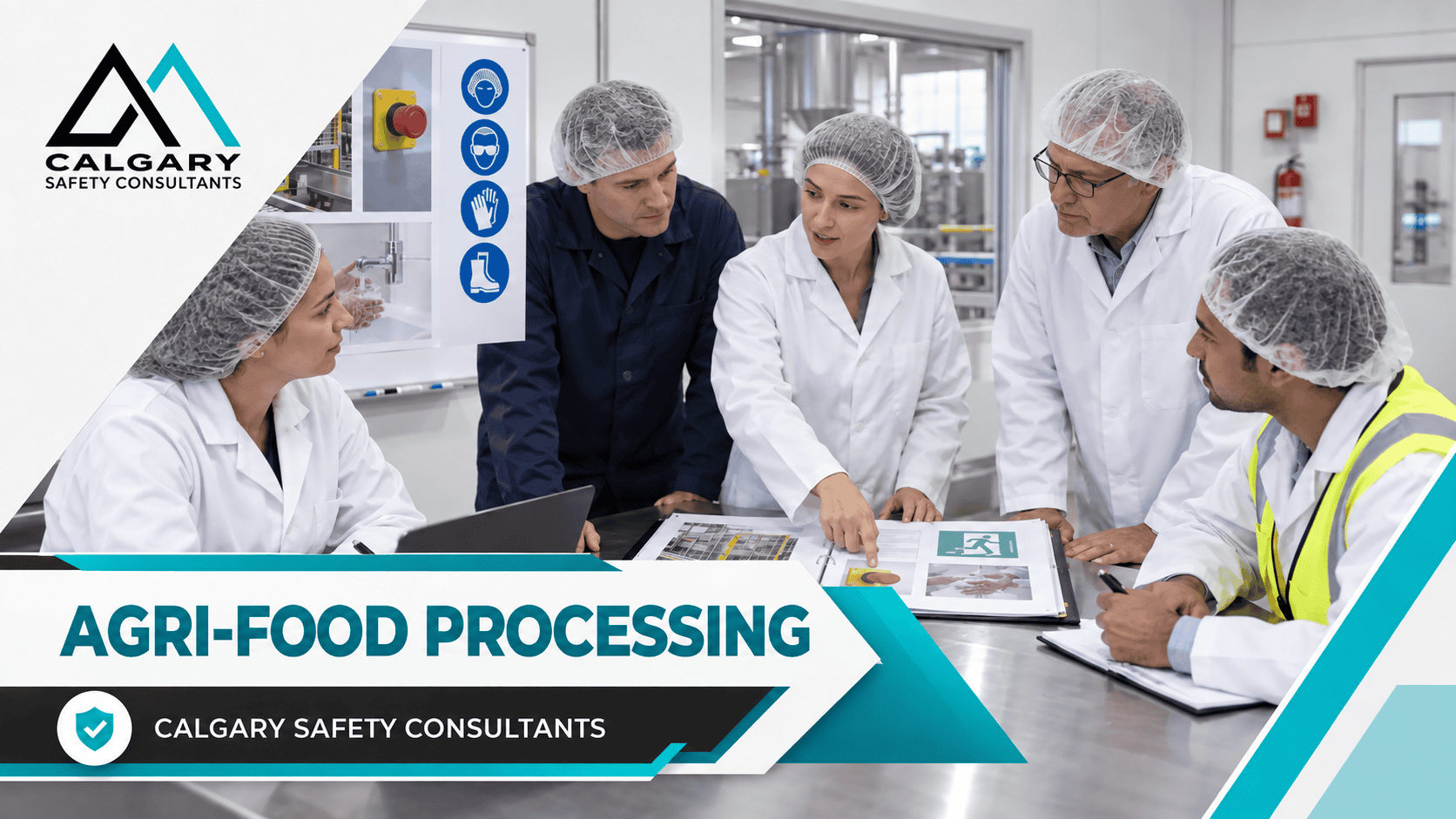
Agriculture safety consulting may address employer programs, machinery and mobile-equipment hazards, chemical handling, emergency planning, task procedures, incident reporting, worker orientation and training records.
Seasonal change, weather and production demands can make procedures and supervision inconsistent. A focused review identifies the highest-consequence gaps and builds tools that fit the actual operation.
The starting point is evidence: current manuals, procedures, forms, training records, inspection or incident information and observations from the people who perform and supervise the work. We compare written expectations with actual practice and identify the gaps that matter most.
The result should be understandable to decision-makers and usable by supervisors and workers. Recommendations are prioritized so urgent risk, legal exposure, client commitments and longer-term program improvements are not treated as if they have the same deadline.
Common Triggers for Agriculture Safety Consulting
Employers often seek agriculture safety consulting when normal internal follow-up is no longer enough or a specific event, review or deadline has exposed uncertainty.
Common reasons to contact Calgary Safety Consultants include:
- seasonal hiring or rapid workforce change
- new machinery, chemicals or processing equipment
- repeat mobile-equipment or material-handling concerns
- an incident, near miss or inspection finding
- emergency plans that do not reflect remote work
- missing procedures or training records
A short initial conversation helps separate immediate actions from work that can be scheduled. If another specialist is needed, the scope can identify that boundary before the project begins.
- a prioritized safety assessment
- updated procedures, forms or orientation tools
- emergency-planning improvements
- training and record recommendations
- clear corrective actions
- follow-up options suited to the operating season
The goal of agriculture safety consulting is a clearer, usable system that decision-makers can support and workers or supervisors can apply. The employer receives defined outputs and an explanation of what should happen next.
How Calgary Safety Consultants Helps
A defined project begins with the employer’s concern, records and decision deadline. We establish what is in scope, who will participate and how findings will be communicated. The employer receives the agreed documents or findings and a clear explanation of the next practical actions.
- agricultural safety-program assessments
- machinery and mobile-equipment hazard review
- chemical-handling and WHMIS support
- emergency response planning
- safe work procedures and JHAs
- incident-reporting systems
- new- and seasonal-worker orientation
- training-record review
- facility inspections
- corrective-action planning
Calgary Safety Consultants begins agriculture safety consulting by confirming the operation, immediate concern, available records, decision-makers and deadlines. We then establish a defined scope for assessment, development, investigation or training.
The work compares written expectations with available evidence and actual practice. Findings and deliverables are discussed with the employer so priorities, internal ownership and follow-up are understood.
Remote, onsite or hybrid support may be used depending on the need for document review, interviews, workplace observation and implementation guidance.
Related Services, Training and Resources
These related pages can help you connect agriculture safety consulting with the rest of your safety program:
Authoritative resources that may help employers understand the broader context:
- Canadian Agricultural Safety Association
- Alberta farm and ranch workplace legislation
- CCOHS agriculture resources
You may also find these pages helpful:
Frequently Asked Questions About Agriculture Safety Consulting
Who is agriculture safety consulting for?
Agriculture Safety Consulting is intended for farms, livestock operations, greenhouses, agricultural services, food and beverage processors, grain, feed and storage operations. The scope is adjusted to the organization’s size, operating risks, locations, existing documentation and immediate priorities so the work remains practical rather than becoming a generic package.
When should an employer request agriculture safety consulting?
Contact a consultant when there is a clear deadline, a significant change, a serious event, repeat findings or uncertainty about the strength of the current program. Common triggers include seasonal hiring or rapid workforce change, new machinery, chemicals or processing equipment, repeat mobile-equipment or material-handling concerns. Early contact allows time to confirm the scope and gather useful records.
What deliverables can the project include?
Deliverables depend on the agreed scope and may include a prioritized safety assessment, updated procedures, forms or orientation tools, emergency-planning improvements, training and record recommendations, clear corrective actions. Calgary Safety Consultants defines the expected outputs before work begins so the employer understands what will be reviewed, what will be produced and which actions remain the employer’s responsibility.
Can the work be completed remotely or onsite?
Yes. Document reviews, planning meetings and many interviews can be completed remotely. Onsite work may be recommended when direct observation, facility context or worker participation is important. A hybrid approach is often effective because it combines efficient document preparation with focused workplace verification.
Where does Calgary Safety Consultants provide support?
Calgary Safety Consultants supports employers in Alberta, British Columbia and Saskatchewan, with other Canadian arrangements considered by scope. Multi-province work can use a consistent program framework while identifying jurisdiction-specific requirements, reporting pathways and workplace practices that need separate attention.
What information is needed to get started?
Helpful starting information includes a description of the organization and work, the immediate concern or deadline, current manuals and procedures, relevant forms or records, location details and the people responsible for decisions. After the enquiry, we confirm priorities and prepare a defined scope of work.
Does consulting guarantee compliance, certification or audit success?
No. Consulting can help identify gaps, improve documentation and support implementation, but the employer remains responsible for its workplace, legal duties and ongoing practices. Regulators, certifying bodies and clients make their own decisions. The objective is practical improvement and stronger evidence, not a guaranteed outcome.