Why it matters
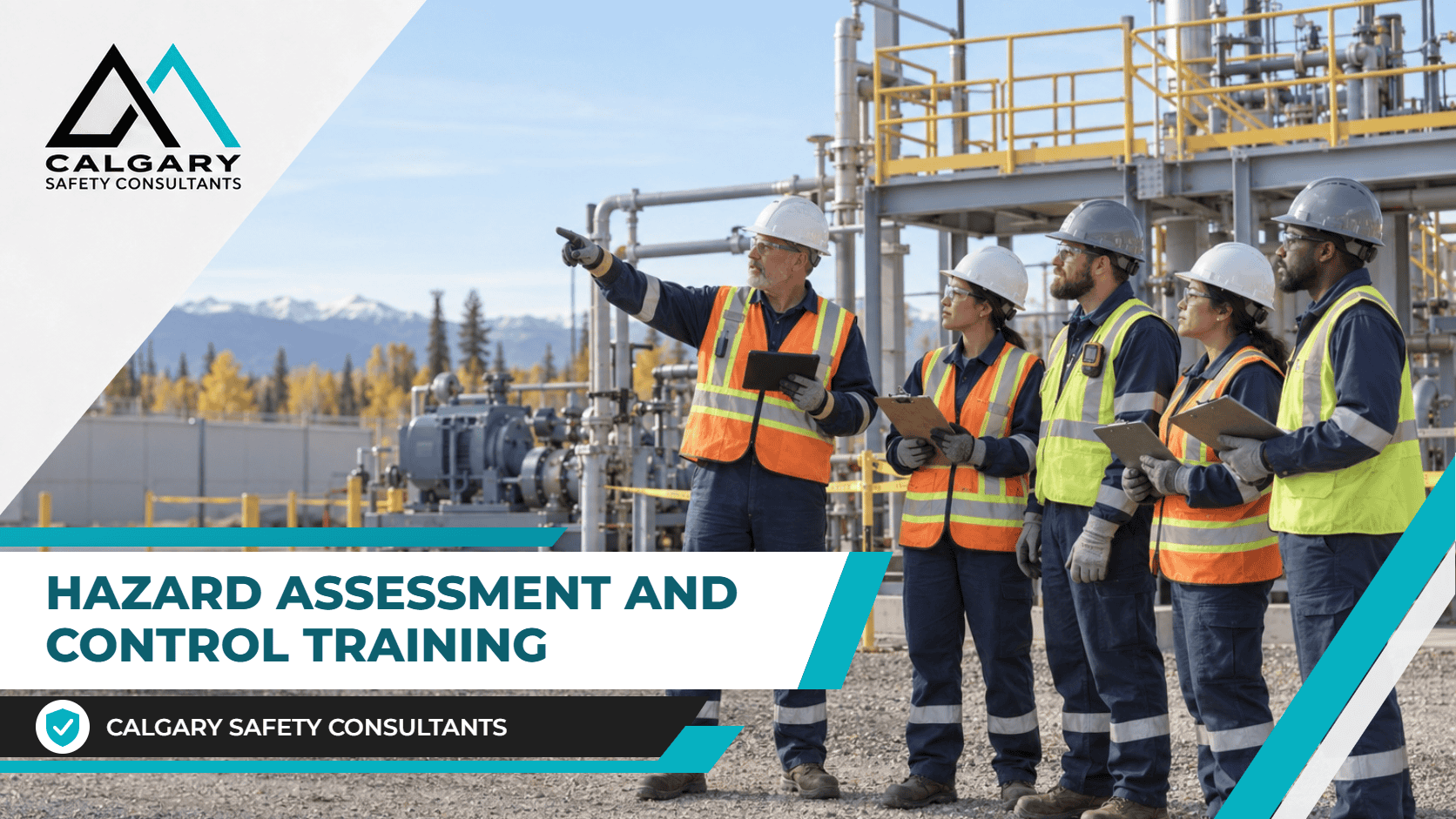
Why Hazard Assessment and Control Training Matters
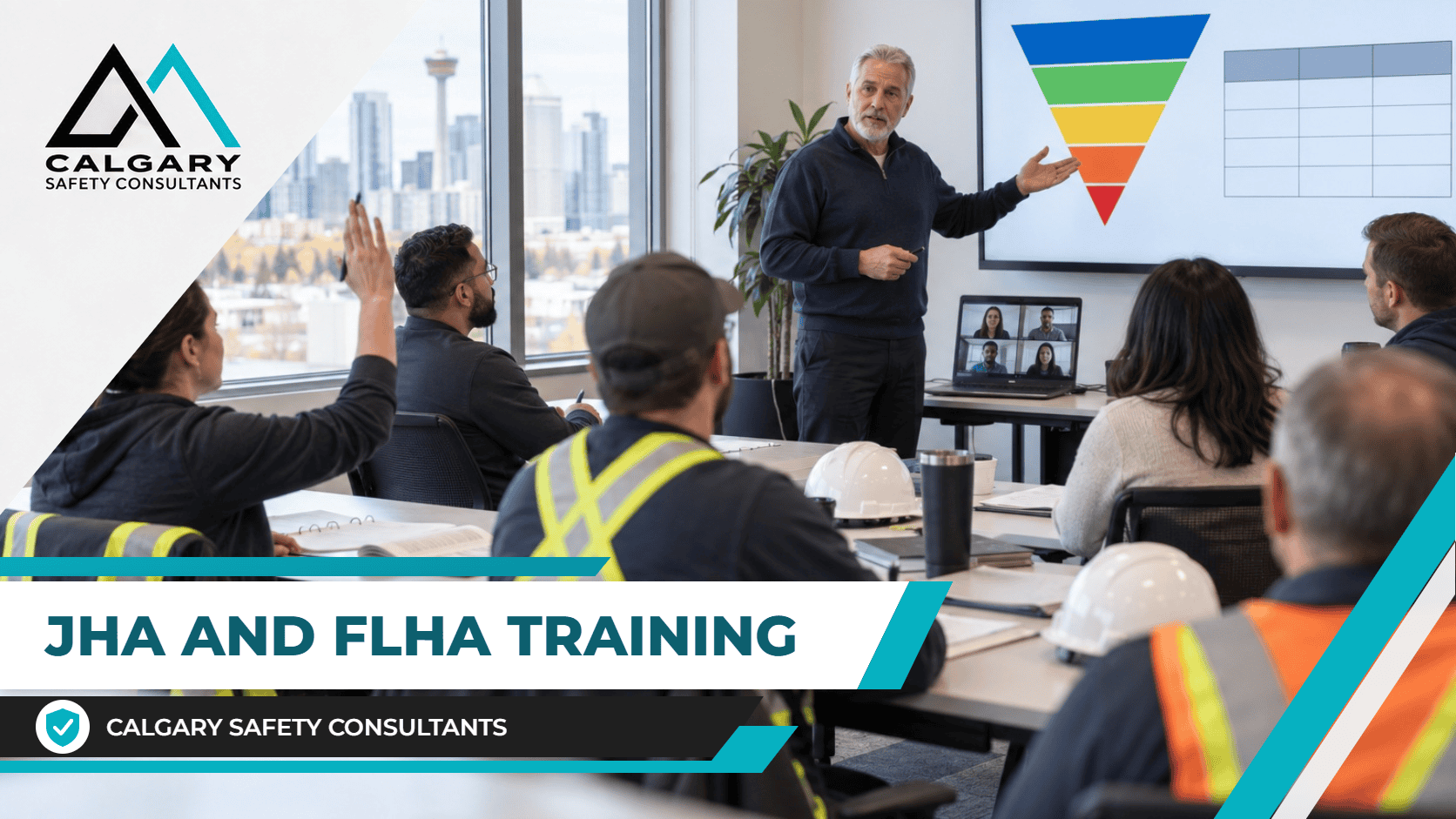
Every Canadian jurisdiction expects employers to identify hazards and control them, but the rules differ across the federal jurisdiction, the provinces and the territories. Alberta, for example, sets out hazard assessment, worker participation and the order of controls in Part 2 of the Alberta OHS Code. Good hazard assessment training helps people meet those expectations in practice, not just on paper. Depending on the format, the training can include:
- online, live virtual or classroom delivery
- practical JHA and FLHA exercises
- your own forms, risk matrix and tasks
- a downloadable Training Reference Guide
- supervisor review and coaching practice
- certificate arrangements confirmed in the proposal
Poor hazard assessments show up as injuries, workers’ compensation claims, stopped work and repeat audit findings. Strong ones show up as crews that plan the job, bring the right equipment and know when to stop. Training gives supervisors and workers a common language for hazards, risk and controls, which makes toolbox talks, inspections and incident follow-up more useful.
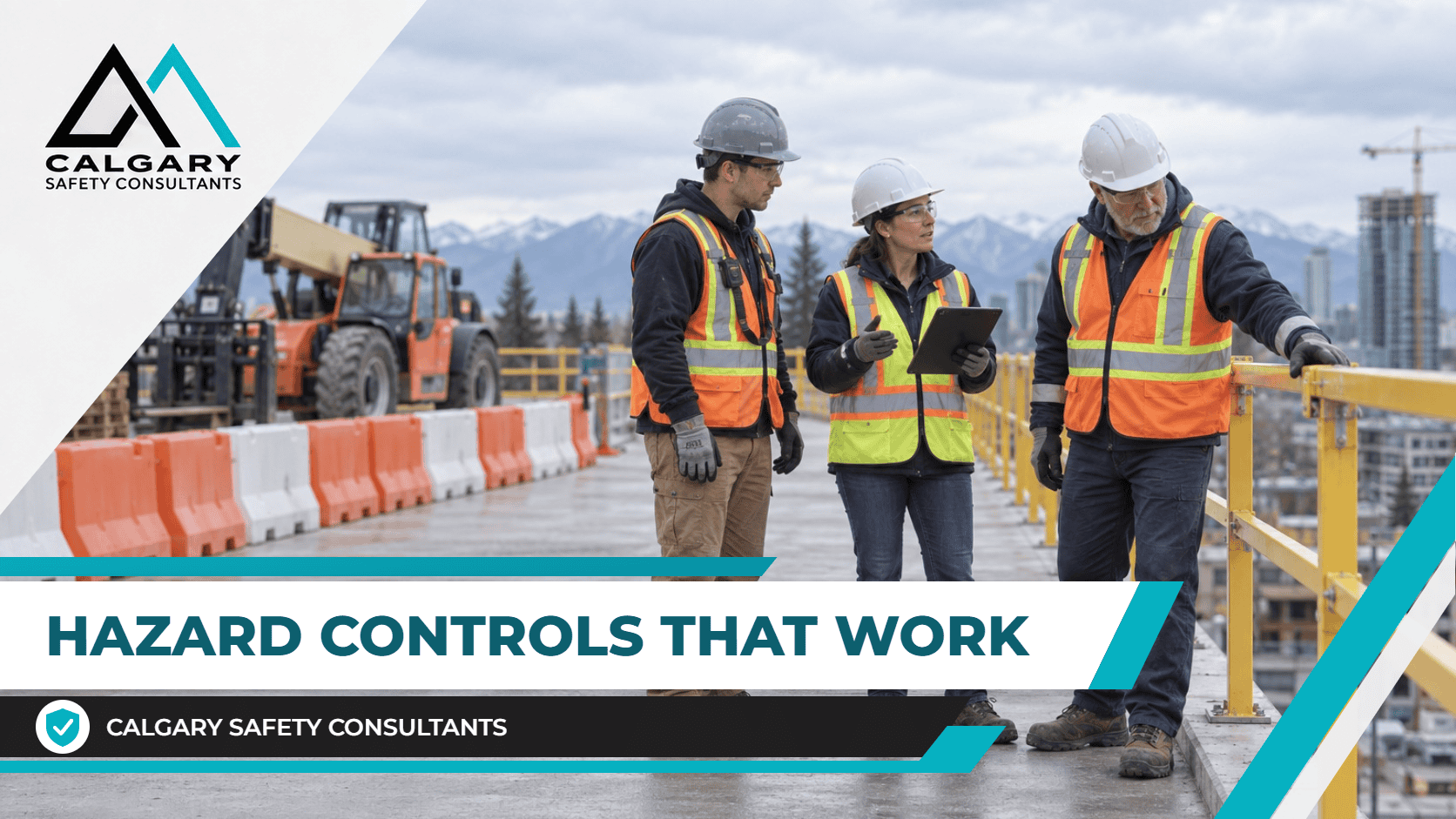
The course pays close attention to high-energy hazards, such as falls from height, moving equipment, stored pressure, electrical energy and suspended loads, because they cause the most serious injuries. Participants learn that every high-energy hazard needs a direct control, like a guardrail, a physical barrier or verified lockout, and that signs, reminders and “be careful” are not enough on their own.
Training does not qualify anyone for high-risk work such as lockout, confined space entry or electrical work, and it does not replace site-specific orientation or competency verification. It gives participants a structured method for finding hazards, choosing controls and confirming those controls work.
When your hazard assessments need more than training, our hazard assessments, JHAs and workplace inspections consulting service can review your formal assessment, build JHAs for critical tasks and help supervisors verify controls in the field.