How to Conduct a Job Hazard Analysis (JHA) for Calgary Businesses
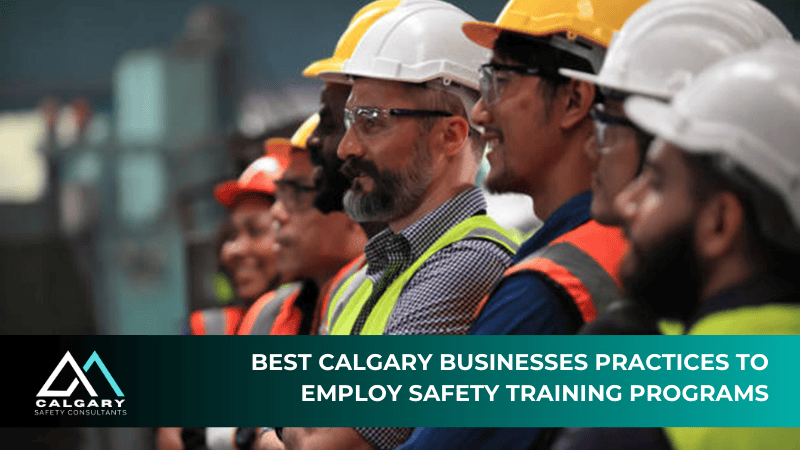
Let’s be real—running a business in Calgary is no walk in the park, and workplace safety should never be something you just “wing.” So here are the best Calgary businesses practices to employ safety training programs, which are the best investments you can make for your business. It’s not just about ticking the OH&S compliance box; it’s about protecting your team, your reputation, and your bottom line.
But where do you start? If the idea of building a safety training program feels overwhelming, don’t worry—you’re in the right place. This guide will break down the best practices, tools, and tips to get your safety training program off the ground. And if you need some extra help, Calgary Safety Consultants has got your back.
Why Safety Training Matters
Think safety training is just another chore? Think again. A good program doesn’t just prevent accidents—it boosts productivity, lowers insurance costs, and creates a stronger safety culture in your workplace. Oh, and did we mention it’s legally required under Alberta’s OH&S laws?
Best Practices for Implementing a Safety Training Program
- Start with a Needs Assessment
Before you dive in, figure out what your business actually needs. Ask yourself:
- What are the key hazards in your workplace?
- What tasks or equipment require special training?
- What do your employees already know, and where are the gaps?
A thorough assessment helps you focus your efforts where they matter most.
- Develop a Customized Program
Cookie-cutter safety programs don’t cut it—your business is unique, and your training should reflect that. Tailor your program to your industry, your workplace, and your team. For example:
- Construction businesses may need training on fall protection and equipment safety.
- Offices might focus on ergonomics and fire evacuation procedures.
- Restaurants might emphasize food safety and handling hot equipment.
- Keep It Simple and Engaging
Let’s be honest—no one wants to sit through a dry, 3-hour safety lecture. Use a mix of methods to keep things interesting:
- Hands-on training (because people learn by doing!)
- Short, interactive sessions
- Visual aids like videos, posters, or infographics
- Online modules for convenience
The easier and more engaging the training is, the more your employees will retain.
- Document Everything
Record who has completed the training, what was covered, and when it happened. Why? Because if Alberta OH&S inspectors come knocking, you’ll need to prove that you’re compliant. Plus, keeping records helps you track progress and identify areas for improvement.
- Make It Continuous
Safety training isn’t a one-and-done deal. Schedule regular refreshers, update your training when new equipment or processes are introduced, and stay on top of OH&S regulation changes.
Tools to Help You Succeed
- Online Learning Platforms
Online tools like eLearning modules can make safety training accessible and flexible, especially for businesses with remote or shift-based teams.
- Mobile Apps
Safety apps like iAuditor or SafetyCulture can help you track hazards, provide quick tips, and even manage training records.
- Templates and Checklists
Start with pre-built templates for hazard assessments, training plans, and documentation. You can customize them to fit your business.
- Professional Trainers (That’s Where We Come In!)
Sometimes it’s best to bring in the experts. Professional trainers can deliver tailored sessions, provide hands-on demos, and ensure your team is fully up to speed.
How Calgary Safety Consultants Can Help
At Calgary Safety Consultants, we specialize in making safety training easy, effective, and stress-free for Calgary businesses. Here’s how we can help:
- Customized Training Programs: We’ll design a program that fits your business, your team, and your industry.
- On-Site Training: From hands-on equipment safety to emergency procedures, we bring the training directly to your workplace.
- Online Options: Need flexibility? We offer online modules so your team can learn at their own pace.
- Compliance Support: Not sure if you’re meeting Alberta’s OH&S standards? We’ll ensure your training is 100% compliant and well-documented.
- Ongoing Support: Safety training isn’t a one-time thing. We’ll help you keep it fresh and relevant as your business evolves.
With our expertise, you can rest easy knowing your team is safe, and your business is protected.
Invest in Safety Today
Creating a safety training program doesn’t have to be a headache. With the right approach and a little help from the experts, you can build a program that keeps your team safe, your business compliant, and your operations running smoothly.
Ready to get started? Book your complimentary consultation today.
References:
- Alberta Occupational Health and Safety Act (link)
- Canadian Centre for Occupational Health and Safety (link)
- Government of Alberta: Training and Competency (link)
Because a safe workplace is a successful workplace.
Frequently Asked Questions
Do you offer safety management training?
Yes, we provide comprehensive, tailored training programs that cover safety management, hazard identification, incident investigations, leadership for a safer workplace and beyond.
How often should safety training be updated?
Safety training should be updated regularly—at least annually—and whenever new employees are hired or new equipment or procedures are introduced.
Do employees need training on how to use PPE?
Yes! Alberta OH&S regulations require employers to provide training on proper PPE use, including how to wear, maintain, and inspect it. We also offer online PPE Training.
Why is a safety training program important for businesses?
Safety training ensures compliance with Alberta OH&S laws, reduces workplace accidents, and boosts employee confidence and productivity.
What are the key steps to creating a safety training program?
Start with a needs assessment, customize the program to your workplace, document training, keep sessions engaging, and schedule regular updates.