On this page
Reference: https://www.ccohs.ca/oshanswers/hsprograms
So, how do you do it right? Here’s a step-by-step breakdown—straightforward, no fluff, and focused on Canadian businesses.
Updated guide: We've expanded this article into a full guide, How to Conduct a Workplace Safety Inspection, with Canadian legal requirements, a priority system for findings and a free 20-section inspection checklist.
Inspections: Step by Step
Step 1: Start with a Plan
Before you walk the site with a clipboard, take time to prepare:
- Define the scope: What areas, equipment, or processes will you inspect?
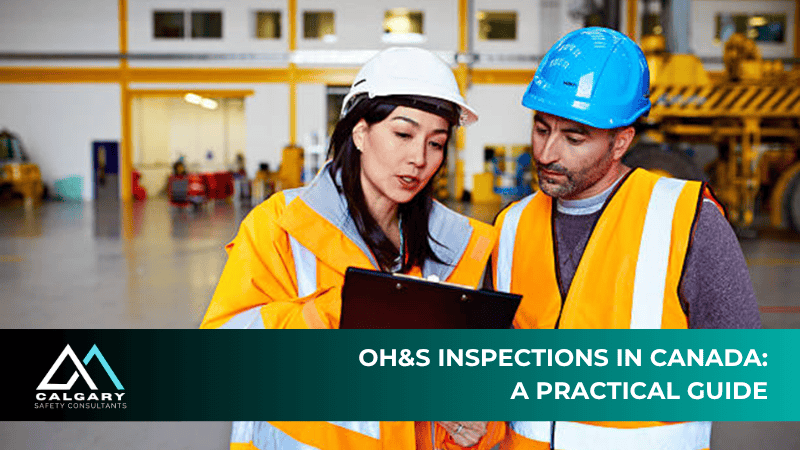
- Assemble the right team: Ideally, inspections should involve a supervisor, a safety representative, and a worker familiar with the area.
- Set a frequency: Most workplaces conduct inspections monthly, but high-risk areas may need weekly or daily checks.
- Review past incidents: Look at previous reports, near-misses, or inspection results to see what needs special attention.
Alberta’s OH&S Code doesn’t prescribe exact inspection intervals, but it does require a proactive approach that includes regular monitoring of the workplace.
For more on Alberta inspection obligations: https://www.alberta.ca/ohs-inspections.aspx
Step 2: Use the Right Tools
An inspection without a checklist is like going to the grocery store without a list—you’ll miss something.
Here’s what you should have on hand:
- A customized inspection checklist based on your industry and worksite hazards
- A notepad or digital inspection form
- A smartphone or camera to capture visual evidence
- The appropriate PPE for the inspection area
Your checklist should include physical hazards (e.g., trip risks, noise), procedural issues (e.g., missing signage, expired certifications), and behavioral observations (e.g., improper lifting or PPE misuse).
CCOHS provides templates and guidance here: https://www.ccohs.ca/topics/programs/programs/inspections/
Step 3: Conduct the Walkthrough
When you’re on the ground, take a systematic approach. Inspect from top to bottom and left to right. Look beyond the obvious.
During your walkthrough:
- Observe how tasks are performed, not just the condition of equipment
- Talk to workers—ask if they feel safe or if anything seems off
- Look at equipment both at rest and in use
- Check storage areas, exits, first aid supplies, and PPE stations
- Listen for unfamiliar sounds (they often signal equipment issues)
Be methodical. Don’t rush. You’re not just checking boxes—you’re actively identifying potential harm.
More tips from CCOHS: https://www.ccohs.ca/oshanswers/prevention/effectiv.html
Step 4: Record Your Findings
A workplace inspection is only valuable if the findings are captured clearly and action is taken.
Your report should include:
- Inspection date, area, and team members
- Description of each hazard or concern observed
- Recommended corrective action
- Priority level or risk rating (e.g., low, medium, high)
- Assigned person responsible and completion deadline
Digital forms or inspection apps are useful, but even a well-organized paper log can work—so long as follow-up is tracked and completed.
WorkSafeBC recommends documenting even minor observations to build a strong safety culture over time: https://www.worksafebc.com/en/health-safety/create-manage/workplace-inspections
Step 5: Close the Loop with Corrective Actions
This is where many inspections fall flat. It’s easy to identify hazards—but not always easy to ensure they’re fixed.
You need a system for tracking and verifying that corrective actions are:
- Assigned to someone with authority and capacity to complete the fix
- Completed by the target deadline
- Verified to be effective
Use a corrective action log or dashboard that flags overdue items and sends reminders. Re-inspect where needed, especially if the hazard was serious.
According to the Canada Labour Code, simply noting a hazard without follow-through is a failure of due diligence.
Details here: https://www.canada.ca/en/employment-social-development/services/health-safety/reports/inspections.html
Step 6: Analyze and Adjust
Don’t let inspection reports collect dust. Use them to find patterns and continuously improve your health and safety program.
Once or twice a year:
- Review all inspection reports and track recurring issues
- Compare findings to incident and injury data
- Adjust training, procedures, or supervision as needed
- Update your inspection checklist to reflect new equipment or risks
If a certain type of hazard keeps showing up, it’s likely a system-level issue—not just a fluke.
Step 7: Be Ready for Regulatory Inspections
Provincial OH&S officers have the right to conduct unannounced inspections. They may:
- Interview workers
- Review records
- Inspect equipment
- Issue orders or stop work if they see imminent danger
If your inspection program is thorough and documented, you’ll be in good shape when regulators come knocking.
Find Alberta’s inspection protocols here: https://www.alberta.ca/ohs-inspections.aspx
Pro Tip:
If you spot a safety issue during a general site walk or informal tour, don’t just move on—turn it into a formal inspection. Record your observations, document any hazards, and complete the appropriate inspection form or log it in your safety app. A proactive approach not only strengthens your due diligence—it turns casual awareness into actionable compliance.
Where Calgary Safety Consultants Comes In
Calgary Safety Consultants is here to help you take the guesswork out of inspections. Here’s how we support businesses like yours:
- Customized Inspection Programs:
We tailor inspection checklists and processes to match your industry, operations, and legal obligations. - On-Site Inspection Services:
We can assist with monthly or quarterly inspections, bringing a trained eye to spot what others may miss—and documenting everything for you. - Supervisor and Worker Training:
We teach your team how to conduct inspections confidently and correctly, using real examples from your own worksite. - Corrective Action Tracking Tools:
We’ll help you implement systems to track, follow up, and verify hazard corrections—so nothing falls through the cracks. - Compliance Support:
From preparing for COR/SECOR audits to responding to Alberta OH&S inspections, we’ve got your back.
Your inspection process doesn’t have to be overwhelming. With the right tools, training, and support, it becomes a powerful driver of safety, efficiency, and legal compliance.
Explore our hazard assessment and workplace inspection services to learn more, or book a free consultation.
Related services: Hazard assessments, JHAs and workplace inspections, Workplace inspection and compliance training and OH&S regulatory support.
Final Thoughts
A general workplace inspection might seem simple, but it can reveal the root causes of serious incidents if done right. It’s not about fault-finding—it’s about protecting people and improving systems. Whether you’re running a construction crew, managing a warehouse, or operating a medical office, inspections should be part of your daily safety rhythm—not just a paperwork exercise.
Stay proactive, stay curious, and stay safe.
And if you need help getting there? We’ve got your back. Contact Calgary Safety Consultants for your complimentary consult to explore tailored OH&S solutions that drive real results.
Stay safe!
Additional References
- Canadian Centre for Occupational Health and Safety (CCOHS): https://www.ccohs.ca/oshanswers/hsprograms
- Government of Canada: Workplace Inspections Guide: https://www.canada.ca/en/employment-social-development/services/health-safety/reports/inspections.html
- Alberta OHS Inspections: https://www.alberta.ca/ohs-inspections.aspx
- WorkSafeBC Inspection Guidelines: https://www.worksafebc.com/en/health-safety/create-manage/workplace-inspections

About the author
John Duplessis, B.Sc., CRSP
John Duplessis is a Canadian Registered Safety Professional with more than 30 years of occupational health and safety experience in oil and gas, construction, green energy, midstream operations, and industrial project work.