On this page
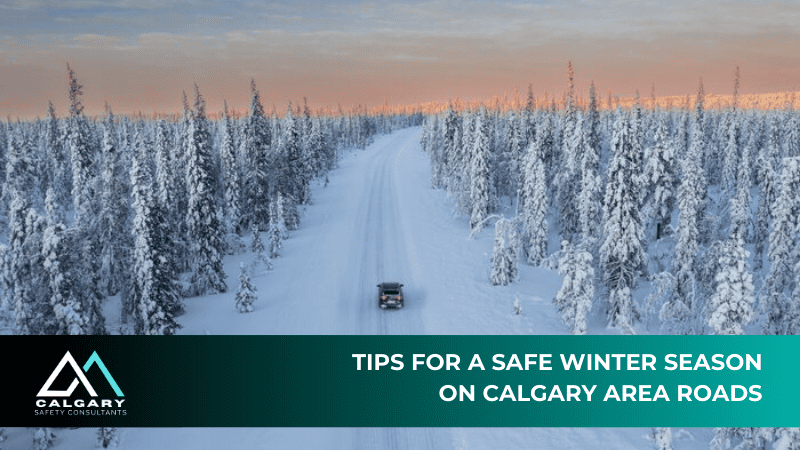
Winter driving on Calgary area roads
Before departure, check the forecast and 511 Alberta for road conditions, closures and reduced visibility. Allow additional time and choose a safer route where practical. Alberta advises staying off the road during winter storms unless travel is necessary and not travelling on a closed road.
Posted speed limits are intended for ideal conditions. Reduce speed for snow, ice and visibility, increase following distance and make steering, braking and acceleration smooth. Use headlights when visibility is reduced and remove snow and ice from windows, mirrors, lights and licence plates.
Prepare the vehicle for the conditions
Follow the manufacturer’s maintenance instructions and check tires, battery, brakes, antifreeze, heater, defroster, lights, windshield wipers and washer fluid. Clear snow that could obstruct the driver or come off the vehicle.
Alberta recommends considering four winter or all-weather tires for improved traction. Winter tires are not a general province-wide legal requirement for ordinary passenger vehicles, so the article should not present a fixed installation date as law. Commercial vehicles and travel outside Alberta may be subject to other requirements.
Carry supplies suited to the route and occupants
Alberta recommends a winter emergency kit. Useful items can include warm clothing, blankets, a flashlight and batteries, first-aid supplies, food, a shovel, traction material, booster cables, an ice scraper, a charged phone and medication or accessibility supplies needed by the occupants.
Keep enough fuel or charge for delays and possible detours. Adjust the kit for the route, remoteness, weather and people travelling. A kit supports preparedness; it does not make unsafe travel acceptable.
Employer duties when driving is work
Alberta guidance states that a vehicle being used away from a work site for work purposes is itself considered a work site. The employer’s hazard assessment should consider the driver, vehicle, route, weather, fatigue, communication, emergency response and any cargo or task performed at the destination.
Under section 3 of Alberta’s OHS Act, employers must provide adequate training and competent supervision. Sections 7 to 9 of the OHS Code address hazard assessment, worker participation and controls.
A work-driving program should define authorization, licence and competency checks, vehicle selection, maintenance, pre-use checks, seat-belt and distraction rules, fatigue controls, weather thresholds, communication, incident reporting and emergency actions. Commercial operators must also identify applicable Traffic Safety Act, carrier, hours-of-service and National Safety Code requirements.
Use journey management where the risk warrants it
Journey management is a risk-control method, not a universal program required in the same form for every employer. Higher-risk trips may require route approval, check-in intervals, weather limits, alternate plans and escalation when the worker misses a contact.
The process should account for lone work, limited cellular coverage, mountain routes, long distances and changing conditions. Verify that the worker knows who monitors the trip and what to do if conditions exceed the plan.
When conditions deteriorate
Delay, cancel, reroute or turn back when the conditions exceed the driver, vehicle or travel plan. If visibility becomes unsafe, leave the roadway at a safe location such as a designated rest area or parking area where possible. Avoid stopping in a travel lane and use a shoulder only when an emergency makes it necessary.
If stranded during severe weather, Alberta advises remaining calm, staying inside the vehicle and calling for help. Run the engine only as needed for warmth, keep the exhaust pipe clear of snow and allow fresh air into the vehicle to reduce the risk of exhaust exposure.
Official Alberta sources
- Government of Alberta – Safer winter highways.
- 511 Alberta – official road conditions, closures and advisories.
- Government of Alberta – blizzards, freezing rain, ice storms and extreme cold.
- Government of Alberta – Driving safety: OHS information for employers and workers.
Sources verified November 5, 2026. Vehicle and driver requirements must also be checked under the Traffic Safety Act and any commercial-carrier rules that apply.
How we help
If your workers drive for work this winter, Calgary Safety Consultants can help assess work-driving hazards and develop practical procedures after confirming the governing jurisdiction and vehicle requirements.

About the author
John Duplessis, B.Sc., CRSP
John Duplessis is a Canadian Registered Safety Professional with more than 30 years of occupational health and safety experience in oil and gas, construction, green energy, midstream operations, and industrial project work.