On this page
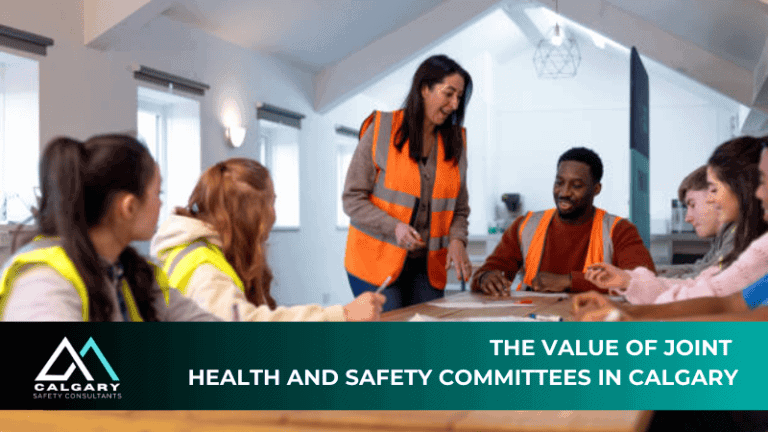
In this blog, we’ll break down what JHSCs are, who needs them, and how they operate under Alberta’s Occupational Health and Safety (OHS) Act. We’ll also dive into tips for running an effective JHSC and how Calgary Safety Consultants can help your business build a thriving safety culture.
Why OH&S is Crucial for Remote and Hybrid Work
- Legal Compliance
Alberta’s OH&S Act mandates that employers provide a safe and healthy work environment, including for remote workers. Failing to adapt your policies can lead to non-compliance, potential fines, and reputational damage. Reference: Alberta OH&S Act - New and Emerging Hazards
Remote work comes with unique risks: poor ergonomics, mental health challenges, and cybersecurity threats are just the tip of the iceberg. - Boosting Employee Engagement
Employees who feel supported—whether they’re working from the office, home, or a café—are happier, more productive, and more likely to stick around.
Key Challenges of Remote and Hybrid Work
- Ergonomics
Improvised home office setups—like working from the couch or kitchen table—can cause back pain, neck strain, and other physical issues. - Mental Health
Isolation, blurred work-life boundaries, and the lack of social interaction can lead to burnout and mental health struggles. - Emergency Preparedness
At the office, there are fire drills and first aid kits. At home, most employees aren’t equipped for emergencies. - Cybersecurity
Without the robust IT infrastructure of an office, remote work increases the risk of data breaches and cyberattacks. - Communication Gaps
Hybrid work environments can lead to misunderstandings and uneven workloads, creating stress for employees.
How Calgary Businesses Can Adapt OH&S Practices
- Assess Remote Workspaces
Encourage employees to complete self-assessments of their home office setups. Provide a checklist to identify hazards like poor lighting or improper seating. Resource: Canadian Centre for Occupational Health and Safety (CCOHS) - Ergonomic Support
Invest in ergonomic resources for employees, such as adjustable chairs, laptop stands, or standing desks. Many companies now offer stipends to help workers upgrade their home offices. - Mental Health Resources
Support mental well-being through Employee Assistance Programs (EAPs), regular check-ins, and virtual workshops on stress management. Resource: Mental Health Commission of Canada - Update OH&S Policies
Your policies should reflect the realities of remote work, including clear procedures for reporting injuries, guidelines for safe work practices, and cybersecurity protocols. - Provide Training
Offer training on ergonomics, cybersecurity, and work-life balance. Employees should know how to stay safe and productive in remote settings. - Promote Regular Breaks
Encourage employees to take breaks, stretch, and avoid prolonged periods of sitting. Short breaks can improve focus and reduce the risk of strain injuries. - Enhance Communication
Use collaborative tools like Microsoft Teams, Zoom, or Slack to ensure everyone stays connected. Schedule regular team meetings to address any challenges.
How we help
How Calgary Safety Consultants Can Help
At Calgary Safety Consultants, we understand the unique challenges Calgary businesses face in adapting OH&S practices for remote and hybrid work. We’re here to make it easier.
Here’s what we can do for you:
- Remote Workspace Assessments
We provide tools and guidance for employees to assess and improve their home office setups. - Ergonomics Training and Resources
We’ll help you equip your team with the knowledge and tools they need to prevent injuries and boost comfort while working remotely. - Policy Updates
Our experts will work with you to update your OH&S policies to reflect the realities of remote and hybrid work, ensuring compliance with Alberta regulations. - Mental Health Support Programs
From stress management workshops to resources for mental health crises, we’ll help you create a supportive work culture. - Training Sessions
We offer training on topics like cybersecurity, work-life balance, and emergency preparedness for remote workers. - Ongoing Support
As your business grows and evolves, we’ll be there to provide continued guidance and resources.
Final Thoughts
Remote and hybrid work models are here to stay, but they require a fresh approach to OH&S. By addressing these new challenges head-on, Calgary businesses can ensure a safe, productive, and supportive environment for all employees—whether they’re at the office or working from home.
Ready to take the first step? Contact Calgary Safety Consultants and take the first step toward measurable safety success. Book your complimentary consultation today.
Jurisdiction note: This article provides general occupational health and safety information. The legal requirements that apply depend on the workplace location, industry and federal, provincial or territorial jurisdiction. Verify current requirements with the applicable regulator before using the information operationally. Government of Canada overview of occupational health and safety jurisdiction.
References
- Canadian Centre for Occupational Health and Safety (CCOHS): Remote Work Resources
- Alberta OH&S Act and Regulations: Government of Alberta OH&S
- Mental Health Commission of Canada: Mental Health in the Workplace
- Workplace Strategies for Mental Health (Canada Life): Remote Work Support
Stay safe, Calgary!

About the author
John Duplessis, B.Sc., CRSP
John Duplessis is a Canadian Registered Safety Professional with more than 30 years of occupational health and safety experience in oil and gas, construction, green energy, midstream operations, and industrial project work.