On this page
Quick answer
Immediate Response: Control the Scene
The first phase is always about controlling the situation and preventing further harm.
A serious workplace incident may include a fatality, critical injury, structural collapse, explosion, or uncontrolled release of hazardous substances. These situations escalate quickly, and delayed response increases both injury severity and regulatory exposure.
Your immediate actions should include:
- Stop all work in the affected area
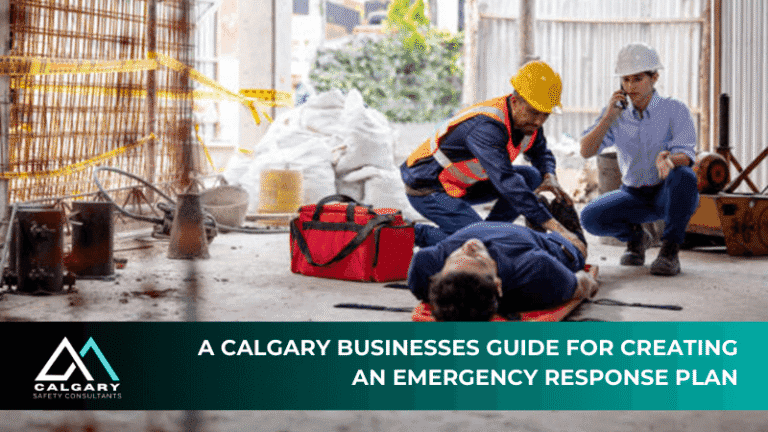
- Provide first aid or emergency medical support
- Call emergency services if required
- Secure and isolate the scene
- Prevent unauthorized access
The cause-and-effect relationship here is direct. If the scene is not controlled, secondary incidents can occur. That leads to additional injuries, increased liability, and potential charges for failing to protect workers.
At the same time, supervisors must begin documenting what is happening in real time. Even basic notes, photos, and timelines become critical later when investigators and regulators get involved.
Reporting Requirements
Once the situation is stabilized, reporting becomes the next priority.
In Alberta, under the Occupational Health and Safety Act, employers must report serious incidents to Alberta OHS immediately. Similar requirements exist in British Columbia through WorkSafeBC and in Saskatchewan through the Ministry of Labour Relations and Workplace Safety.
Typical reporting triggers include:
- Fatalities
- Serious injuries requiring hospitalization
- Explosions or fires
- Structural failures or equipment collapse
- Incidents with high potential for serious harm
The compliance requirements are not optional. Failure to report can result in fines, stop-work orders, and prosecution.
The key point is timing. Reporting must happen as soon as possible after the employer becomes aware of the incident. Waiting to gather more information often creates compliance gaps.
This is where many organizations struggle. They hesitate, thinking they need a full picture first. In reality, regulators expect early notification followed by updates as more details become available.
Preserving the Scene and Managing Regulatory Interaction
After reporting, the site must be preserved for investigation.
This means leaving equipment, materials, and conditions as they were at the time of the incident, unless changes are required to prevent further injury.
This step is critical because:
- Regulators may attend the site
- Evidence must remain intact
- Your internal investigation depends on accurate conditions
If the scene is altered without justification, it can compromise both your findings and the regulator’s investigation. That often leads to credibility issues and potential enforcement action.
At the same time, designate a single point of contact to communicate with regulators. This avoids conflicting information and ensures a controlled, professional response.
Internal Investigation
Once the immediate risks are controlled and reporting is complete, the focus shifts to understanding what happened.
A proper investigation is not about assigning blame. It is about identifying root causes and system failures. Our guide on how to conduct a root cause analysis shows how to get from what happened to why it happened.
Your investigation should examine:
- What happened (sequence of events)
- Why it happened (root causes)
- What controls failed or were missing
- What corrective actions are required
This is where many companies fall short. They stop at surface-level causes such as worker error. That approach misses deeper issues like training gaps, supervision failures, or weak hazard assessments.
The consequence is predictable. If root causes are not addressed, similar incidents will occur again.
A structured investigation process, supported by trained personnel, ensures that findings are credible, defensible, and aligned with compliance requirements. Our guide on how to investigate a workplace incident covers that process step by step, including where Canadian law requires an investigation.
Corrective Actions and Preventing Recurrence
The purpose of the investigation is to drive action.
Corrective actions must be specific, measurable, and assigned to responsible individuals. General statements like “improve safety awareness” do not prevent incidents.
Effective corrective actions may include:
- Updating hazard assessments and safe work procedures
- Providing targeted training or competency verification
- Improving supervision and accountability
- Modifying equipment or engineering controls
- Strengthening inspection and maintenance programs
The key is follow-through. Actions must be tracked, verified, and documented.
From a cause-and-effect perspective, this is where real risk reduction happens. Without corrective action, the incident becomes a missed opportunity. With proper action, it becomes a turning point for system improvement.
Documentation and Compliance Alignment
Every step of the process must be documented.
This includes:
- Incident reports
- Regulatory notifications
- Investigation findings
- Corrective action plans
- Follow-up verification
Documentation serves multiple purposes. It demonstrates compliance, supports audits, and provides legal protection.
In COR-certified or COR-seeking organizations, this documentation directly affects audit scores and certification status. Poor documentation often results in lost points, even if corrective actions were taken.
In practical terms, if it is not documented, it is difficult to prove it happened.
Why This Matters for Your Business
Serious workplace incidents create immediate disruption, but the long-term impact is often underestimated.
What It Costs When It Goes Wrong
When incidents are not managed properly, the effects compound quickly. An injury leads to lost time, which disrupts operations. Delays create scheduling pressure, which increases the likelihood of further incidents. At the same time, regulatory non-compliance leads to inspections, orders, and potential fines. That combination affects productivity, morale, and reputation.
Financially, the impact is significant. Direct costs include WCB claims, medical expenses, and equipment damage. Indirect costs, which are often 2 to 5 times higher, include downtime, retraining, administrative burden, and lost contracts due to poor safety performance.
Compliance risks are equally serious. Failure to meet compliance requirements can result in stop-work orders, penalties, and legal liability for employers and supervisors.
What Improves When It’s Done Well
Organizations that implement structured incident response and investigation processes often see:
- Fewer repeat incidents
- Stronger COR audit results
- Measurable reductions in WCB claim frequency and severity
- Improved productivity due to fewer disruptions and delays
These gains come from treating incident management as a core business process.
A Workplace Example
Situation: A mid-sized construction company experienced a serious fall incident that resulted in hospitalization. Initial response was delayed, and reporting was incomplete.
Action: The company implemented a formal incident response protocol, trained supervisors on reporting requirements, and introduced structured investigation procedures with root cause analysis.
Result: Within one year, the company reduced incident frequency, improved its COR audit score, and avoided regulatory penalties during subsequent inspections.
How we help
How Calgary Safety Consultants Can Help
Knowing the steps is one thing. Building a system that ensures it happens consistently is another.
Calgary Safety Consultants works with employers across Alberta, British Columbia, and Saskatchewan to strengthen incident response and compliance systems. This includes:
- Developing incident reporting and investigation procedures
- Providing supervisor and worker training
- Supporting COR preparation and audits
- Conducting internal audits and gap assessments
- Aligning safety programs with regulatory compliance requirements
Through practical, field-tested approaches, the goal is to make incident management consistent, defensible, and effective in real workplace conditions.
Final thoughts
Handling a serious incident well is not just about reacting in the moment. It is about having a system that guides action, ensures compliance, and drives continuous improvement.
When the response is clear, trained, and consistent, incidents are managed effectively, risks are reduced, and your organization is better positioned to protect both workers and operations.
If your current process relies on improvisation or unclear responsibilities, that is a gap worth addressing now, not after the next incident.
Jurisdiction note: This article provides general occupational health and safety information. The legal requirements that apply depend on the workplace location, industry and federal, provincial or territorial jurisdiction. Verify current requirements with the applicable regulator before using the information operationally. Government of Canada overview of occupational health and safety jurisdiction.
References
- Government of Alberta – Occupational Health and Safety Act, Regulation and Code
https://www.alberta.ca/occupational-health-safety - WorkSafeBC – Incident Reporting and Employer Responsibilities
https://www.worksafebc.com/en/health-safety/create-manage/incident-investigation - Government of Saskatchewan – Occupational Health and Safety Regulations
https://www.saskatchewan.ca/business/safety-in-the-workplace - Canadian Centre for Occupational Health and Safety (CCOHS) – Incident Investigation
https://www.ccohs.ca/oshanswers/hsprograms/investig.html

About the author
John Duplessis, B.Sc., CRSP
John Duplessis is a Canadian Registered Safety Professional with more than 30 years of occupational health and safety experience in oil and gas, construction, green energy, midstream operations, and industrial project work.