On this page
This article will unpack why OH&S matters from day one, break down common startup hazards, and explain how Calgary Safety Consultants can help you build a strong foundation for a safe, sustainable business.
Quick answer
Common Myths About OH&S and Startups
Myth: “We’re too small for a safety program.”
Even if your business has only one employee, OH&S laws still apply. In Alberta, all employers—regardless of size or industry—have legal responsibilities under the Occupational Health and Safety Act. Startups, freelancers, gig businesses, and home offices are not exempt.
Reference: Alberta OH&S legislation
Myth: “We’ll deal with safety once we grow.”
Waiting until you expand is risky. Hazards exist from the moment you set up your first desk, install a coffee machine, or hire your first employee. By then, you’re already legally responsible for ensuring a safe workplace.
Myth: “Safety programs are expensive.”
Compared to the cost of a serious injury, workplace investigation, or WorkSafe claim, proactive safety is a bargain. A single lost-time injury can cost thousands in direct and indirect expenses. Smart safety planning prevents those costs, boosts productivity, and builds investor confidence.
Startup Safety Risks—More Common Than You Think
Even if you’re not in construction or heavy industry, your startup isn’t risk-free. Whether you operate from a downtown office, warehouse, food truck, or living room, safety issues can arise quickly. Here’s a breakdown of the most common risks and how to address them.
Ergonomics, Fire Safety, and Slips
Many startups begin in ad hoc spaces: shared offices, home basements, converted garages, or small retail units. These spaces often lack the infrastructure needed for safe and healthy work.
Common issues include:
- Poor workstation ergonomics leading to back pain, repetitive strain injuries, or eye strain
- Fire hazards such as overloaded power bars, improper extension cord use, and blocked exits
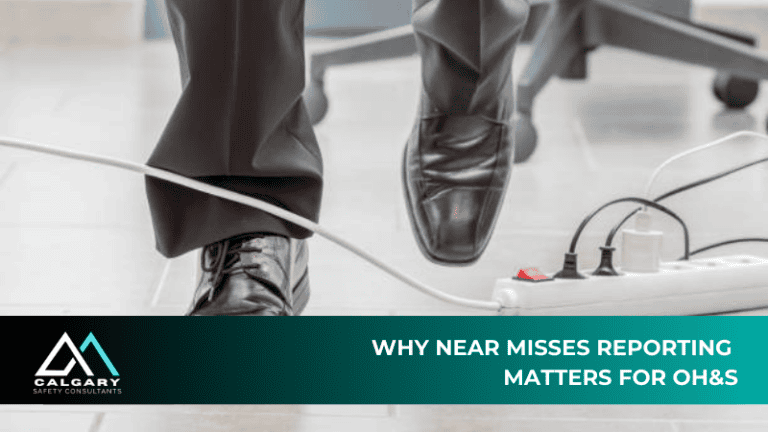
- Slips, trips, and falls from cluttered floors, spilled liquids, or trailing cords
How to address these risks:
- Provide employees with ergonomic chairs, desks, and monitor stands
- Post and practice an emergency evacuation plan
- Keep walkways clear and encourage prompt hazard reporting
Reference: CCOHS Ergonomics Resource
Equipment and Chemical Exposure
If your startup involves hardware prototyping, food handling, printing, or light manufacturing, you’ll face increased safety considerations.
Common risks include:
- Unguarded tools or machinery
- Exposure to cleaning chemicals, adhesives, solder, or fumes
- Electrical hazards from overloaded circuits or makeshift setups
Solutions include:
- Training employees to use machinery safely, with lockout/tagout procedures if needed
- Keeping Safety Data Sheets (SDS) for all controlled products
- Following WHMIS regulations, including proper labels and training
Reference: WHMIS Overview from CCOHS
Driving, Lifting, and Mobile Work
Some startups rely heavily on mobility—delivery services, on-site tech support, or contractors traveling between job sites. These environments introduce their own risks.
Potential hazards:
- Driving accidents caused by fatigue, distraction, or poor weather
- Injuries from lifting heavy objects or repetitive physical tasks
- Environmental risks such as heat stress, ice, or poor visibility
Mitigation strategies:
- Defensive driving and fatigue management training for all drivers
- Use of dollies, carts, or mechanical lifting aids
- Developing seasonal safety protocols for heat, cold, and storms
Reference: Alberta Commercial Vehicle Safety Guide
Legal Requirements for Startups in Alberta
Under Alberta’s OH&S legislation, all employers must take reasonable steps to protect the health and safety of their workers. That includes:
- Conducting regular hazard assessments for your worksite(s)
- Providing orientation and job-specific training for new employees
- Having an emergency response plan in place
- Ensuring proper documentation for training, incidents, and near misses
- Making sure PPE is provided and used correctly where required
Failure to meet these obligations can result in administrative penalties, stop-work orders, investigations, and even criminal charges under certain circumstances.
Reference: Alberta Employer OH&S Responsibilities
Why OH&S Is a Business Advantage
Too many startups see safety as a box to check instead of a competitive edge. But the best leaders treat OH&S as part of their growth strategy—and it pays off in multiple ways.
Reduced downtime: Fewer injuries mean fewer work stoppages and better productivity.
Improved morale: Employees want to feel safe. If they trust you to protect them, they’ll invest more energy and loyalty into your business.
Enhanced reputation: Whether you’re pitching to investors, recruiting top talent, or applying for grants, being known as a business that prioritizes safety reflects positively.
Regulatory readiness: Building safety in from the start makes audits and inspections easier—and keeps your business off the radar for enforcement action.
Sustainable growth: Strong safety practices support scaling. As your team grows and your operations become more complex, your OH&S systems will already be in place to support safe expansion.
How Calgary Safety Consultants Can Support Startups
Safety doesn’t need to be complicated—or costly. Calgary Safety Consultants specializes in helping new and growing businesses meet their safety responsibilities efficiently and affordably.
Here’s how we can help:
OH&S Compliance Support
We interpret the legislation so you don’t have to. Our consultants will explain your legal obligations in plain English and help you create a compliance roadmap tailored to your size, sector, and growth plans.
Workplace Safety Assessments
We visit your workplace—whether it’s a shop, warehouse, co-working space, or mobile fleet—and identify hazards you may not have noticed. Then we help you fix them.
Employee Safety Training
We offer customized training on topics like WHMIS, fire safety, ergonomics, and more. Training can be delivered online or in person, depending on your needs and location.
Custom Safety Programs
Every startup is different. We build tailored OH&S programs that match your budget, staffing levels, and risk profile. No bloated templates or off-the-shelf manuals—just practical safety that works for your team.
Whether your business is in Calgary or anywhere in Alberta, British Columbia, or Saskatchewan, we can get you audit-ready, team-ready, and risk-aware—without the overwhelm.
To learn more or book a consultation, see our Starter Safety Manual Package or email us at info@calgarysafetyconsultants.ca.
Related services: Starter safety manual package and Customized safety manuals.
Final Takeaway: Safe Startups Succeed
Every business has growing pains—but safety doesn’t have to be one of them. By prioritizing OH&S from the start, you’re not just complying with the law—you’re building a resilient business that takes care of its people, operates efficiently, and earns long-term trust.
Whether you’re operating out of a home office or just secured your first lease, now is the time to build safety into your business DNA. Waiting until something goes wrong isn’t a plan—it’s a risk.
What safety concerns have come up in your startup? What questions do you have about implementing safety practices affordably? Share your thoughts and let’s work together to build a safer startup ecosystem—one business at a time.
Want to improve workplace safety with cost-effective solutions? Let’s talk! Contact Calgary Safety Consultants for your complimentary consult to explore tailored OH&S solutions that drive real results.

About the author
John Duplessis, B.Sc., CRSP
John Duplessis is a Canadian Registered Safety Professional with more than 30 years of occupational health and safety experience in oil and gas, construction, green energy, midstream operations, and industrial project work.