On this page
At Calgary Safety Consultants, we help businesses shift from reactive to proactive safety strategies, reducing risks, improving efficiency, and keeping employees safe before accidents happen. Let’s dive into what this transition looks like and how you can make it happen.
Quick answer
Reactive vs. Proactive Safety Culture: What’s the Difference?
Reactive Safety Culture:
- Waits for incidents to happen before taking action.
- Focuses on blame and fixing immediate problems.
- Implements safety as a compliance requirement rather than a priority.
- Minimal safety training beyond what’s legally required.
- Safety discussions happen after an accident, not before.
Proactive Safety Culture:
- Identifies risks before accidents happen.
- Encourages open communication & reporting of hazards.
- Integrates safety into daily operations & decision-making.
- Focuses on continuous improvement instead of just compliance.
- Employees feel empowered to take part in safety initiatives.
More on proactive safety culture: https://www.ccohs.ca/scholarship/winners/2006-07/Essay_B_Macdonald.pdf
Why Transitioning to Proactive Safety is a Game-Changer
- Fewer Accidents & Injuries – Identifying risks early prevents incidents before they happen.
- Lower Costs – Workplace injuries lead to WCB claims, downtime, legal fees, and insurance hikes.
- Improved Productivity – Employees work better when they feel safe and supported.
- Better Compliance – OH&S inspections go smoother when safety is already in place.
- Stronger Workplace Culture – Employees engage more when safety isn’t just a checklist.
Steps to Build a Proactive Safety Culture in Your Business
- Identify & Assess Risks Before They Become Hazards
- Conduct regular workplace inspections instead of waiting for an incident.
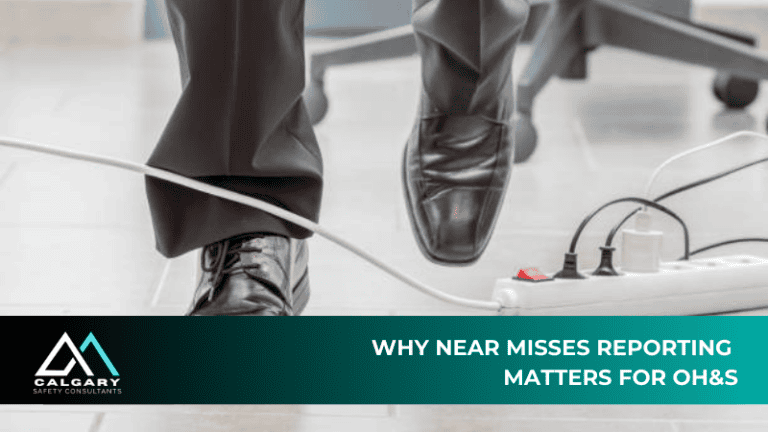
- Use near-miss reporting—treating close calls as learning opportunities.
- Encourage workers to report hazards without fear of blame.
- Make Safety Part of Everyday Conversations
- Start each shift with quick safety meetings (toolbox talks).
- Integrate safety into team meetings & project planning.
- Reward employees who identify and fix hazards proactively.
- Invest in Continuous Safety Training & Development
- Go beyond basic OH&S compliance training—offer hands-on, practical safety sessions.
- Use scenario-based training to prepare employees for real-world risks.
- Encourage cross-training so employees understand how safety applies across departments.
- Use Data & Technology to Track Safety Performance
- Monitor trends in near-miss reports & safety audits.
- Use safety apps and wearable technology to track risks in real time.
- Adjust policies proactively based on data insights.
- Empower Leaders & Supervisors to Set the Example
- Train supervisors to identify safety risks & take action early.
- Hold management accountable for fostering a safety-first mindset.
- Encourage leaders to engage with employees about safety daily.
How we help
How Calgary Safety Consultants Can Help
Transitioning to a proactive safety culture isn’t always easy—but we make it simple.
At Calgary Safety Consultants, we help businesses shift from reactive to proactive safety with:
✔ Workplace Risk Assessments – Identifying hazards before accidents happen.
✔ Custom Safety Training Programs – Engaging, hands-on safety education.
✔ OH&S Compliance Audits – Ensuring businesses meet Alberta OH&S standards.
✔ Leadership Coaching for Safety Culture – Empowering managers & supervisors.
Final Thoughts: Stop Reacting, Start Preventing!
A proactive safety culture doesn’t happen overnight—but small changes lead to BIG results. Fewer injuries, lower costs, and a stronger workplace culture start with prevention, not reaction.
Need help making the shift? Calgary Safety Consultants is here to guide you! Contact Calgary Safety Consultants for your complimentary consult to explore tailored OH&S solutions that drive real results.

About the author
John Duplessis, B.Sc., CRSP
John Duplessis is a Canadian Registered Safety Professional with more than 30 years of occupational health and safety experience in oil and gas, construction, green energy, midstream operations, and industrial project work.