On this page
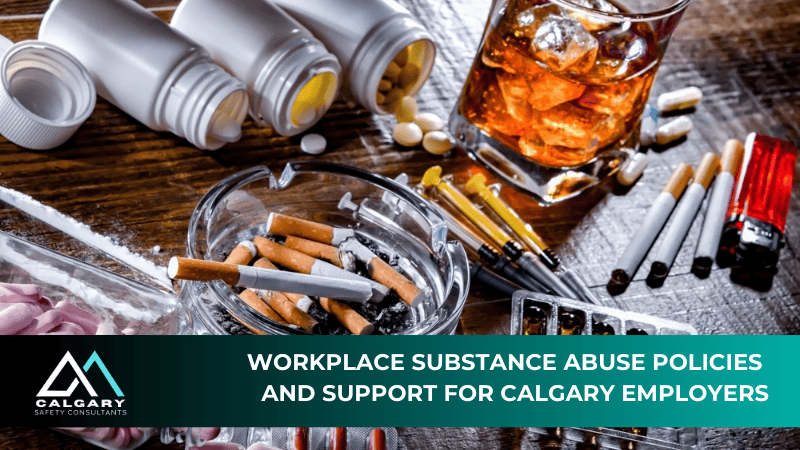
Why Substance Abuse is a Workplace Issue
- Safety Risks
Impaired employees are more likely to cause accidents, especially in high-risk industries like construction, oil and gas, or manufacturing. - Reduced Productivity
Substance abuse can lead to absenteeism, poor performance, and even conflicts within the team. - Legal and Regulatory Concerns
Under Alberta’s Occupational Health and Safety Act, employers must ensure a safe work environment. This includes addressing substance use that could jeopardize safety. - Employee Well-being
Beyond the workplace, substance abuse can destroy lives. As an employer, you’re in a unique position to offer support and make a difference.
Developing a Workplace Substance Abuse Policy
A well-thought-out substance abuse policy is your first line of defense. Here’s what it should include:
- Define Prohibited Substances and Behaviors
Be clear about what’s not allowed, whether it’s alcohol, illicit drugs, or misuse of prescription medication. - Address Legal Cannabis Use
In Alberta, cannabis is legal, but impairment at work is not. Make sure your policy reflects this balance. - Outline Testing Procedures
Will you conduct pre-employment drug tests? Random testing? Post-incident testing? Clearly define when and how testing occurs, ensuring it aligns with privacy laws. - Establish Reporting Processes
Create a safe, confidential way for employees to report substance abuse issues, whether they’re struggling themselves or concerned about a coworker. - Include Consequences and Support
Set clear consequences for policy violations, but pair them with access to support services like Employee Assistance Programs (EAPs). - Train Your Team
Educate managers and employees on recognizing the signs of substance abuse and knowing how to respond.
Creating a Culture of Support
It’s not just about rules—it’s about fostering a culture where employees feel supported. Here’s how to do it:
- Normalize Conversations
Talk openly about substance abuse during team meetings or wellness initiatives to reduce stigma. - Provide Access to Resources
Offer resources like counseling, EAPs, or connections to local support groups such as Calgary’s Alcoholics Anonymous or addiction recovery services. - Be Compassionate
Remember, substance abuse often stems from deeper issues like stress, trauma, or mental health challenges. Approach the situation with empathy. - Encourage Work-Life Balance
Stress is a major trigger for substance abuse. Flexible schedules, wellness programs, and a supportive workplace culture can help prevent issues before they start.
How we help
How Calgary Safety Consultants Can Help
At Calgary Safety Consultants, we understand that addressing workplace substance abuse is about more than policies—it’s about creating a safe and supportive environment for everyone.
Here’s how we can help Calgary businesses:
- Policy Development
We’ll help you create a comprehensive workplace substance abuse policy tailored to your industry and team. - Employee Training
Our training programs teach managers and employees how to recognize the signs of substance abuse and respond appropriately. - Resource Connections
We can connect you with local support services and programs to help employees struggling with substance use. - Program Implementation
From setting up testing procedures to rolling out EAPs, we’ll guide you through the process step by step. - Ongoing Support
We’re here to help you adapt as laws change or new challenges arise.
Additional Resources for Calgary Employers
- Alberta Health Services Addiction Helpline: A confidential helpline available 24/7. Learn more here.
- Canadian Centre on Substance Use and Addiction (CCSA): Offers research and resources on workplace substance abuse. Visit the website.
- Workplace Strategies for Mental Health: Resources for building wellness programs that address substance abuse and mental health. Explore resources.
Final Thoughts
Workplace substance abuse is a challenge, but it’s one Calgary employers can address with the right approach. By creating strong policies and a culture of support, you’ll not only protect your team but also contribute to a healthier, more productive workplace.
Ready to take the first step? Contact Calgary Safety Consultants and take the first step toward measurable safety success. Book your complimentary consultation today.

About the author
John Duplessis, B.Sc., CRSP
John Duplessis is a Canadian Registered Safety Professional with more than 30 years of occupational health and safety experience in oil and gas, construction, green energy, midstream operations, and industrial project work.