Why it matters
Why Lockout and Tagout Training Matters
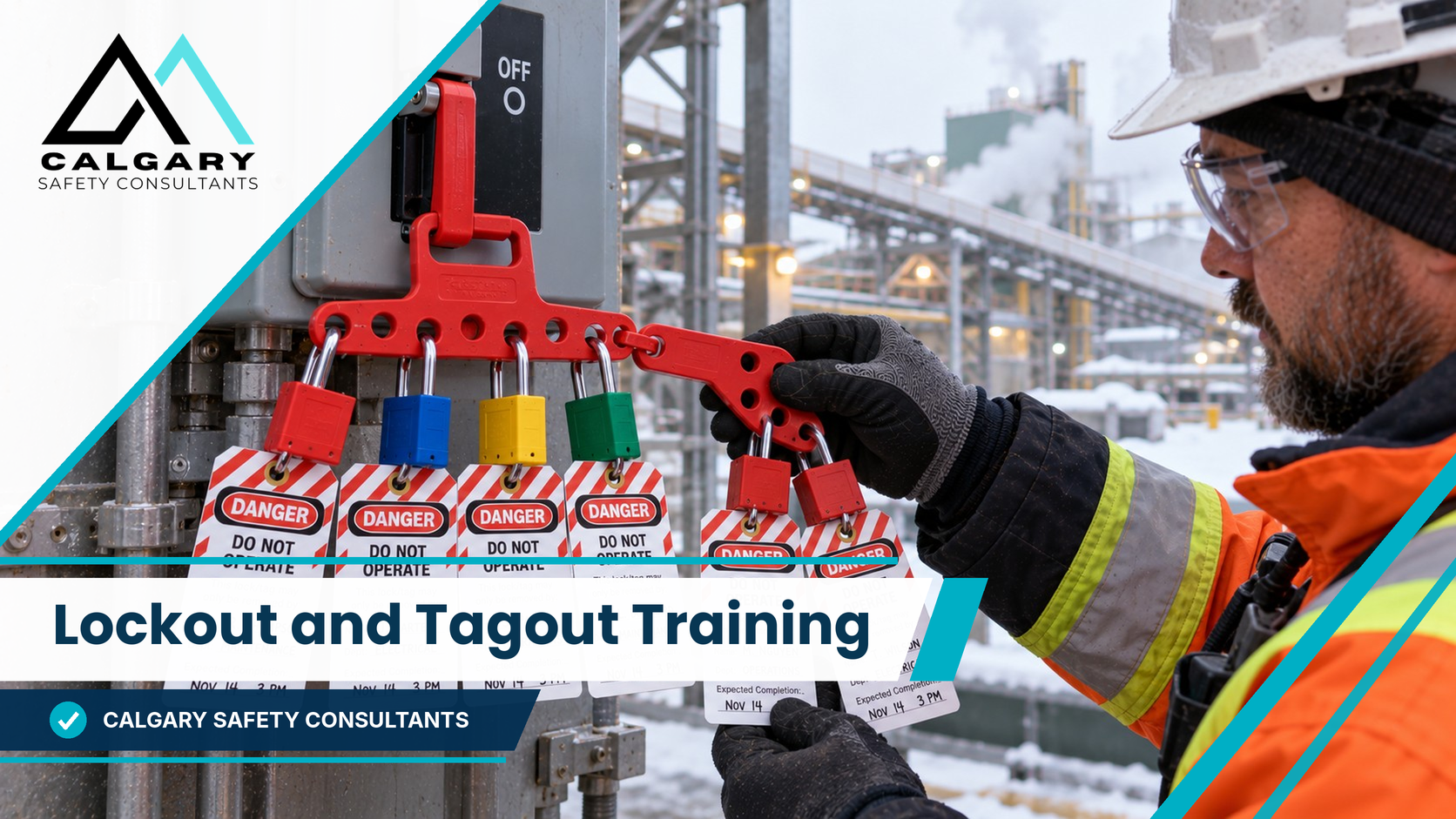
Lockout rules differ across Canada’s 14 OH&S jurisdictions, but the core expectation is the same: control hazardous energy before servicing and maintenance work. In Alberta, Part 15 of the Alberta OHS Code sets out how hazardous energy is managed and controlled, while British Columbia covers lockout in Part 10 of the BC OHS Regulation, De-energization and Lockout. CSA Z460, the National Standard of Canada for controlling hazardous energy, is widely used as the benchmark for good programs. Good lockout tagout training helps people meet those expectations in practice, not just on paper. Depending on the format, the training can include:
- online, live virtual or onsite delivery
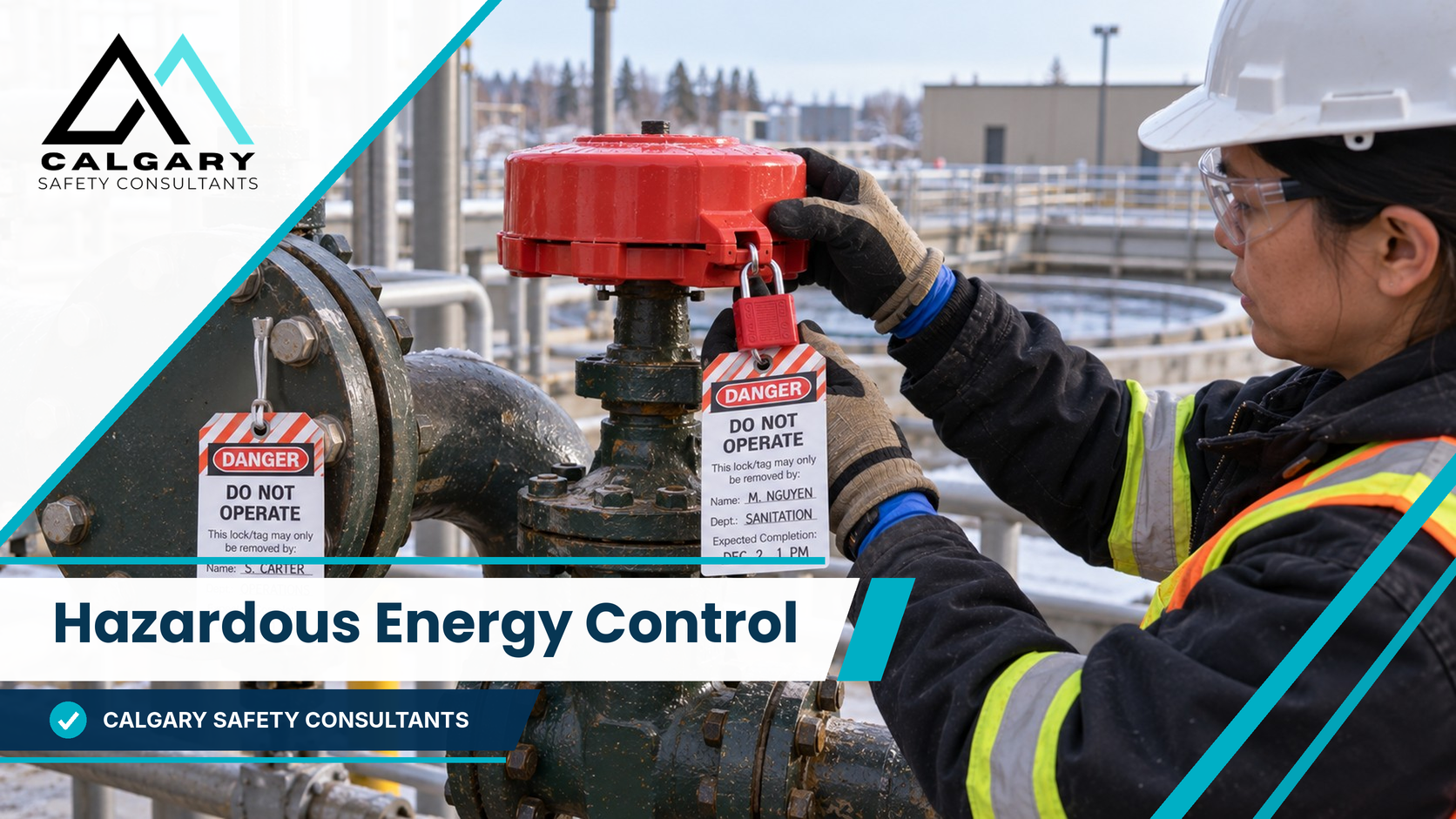
- energy source identification practice
- the 15-step CSC Lockout and Tagout Workflow
- your own program, procedures and hardware
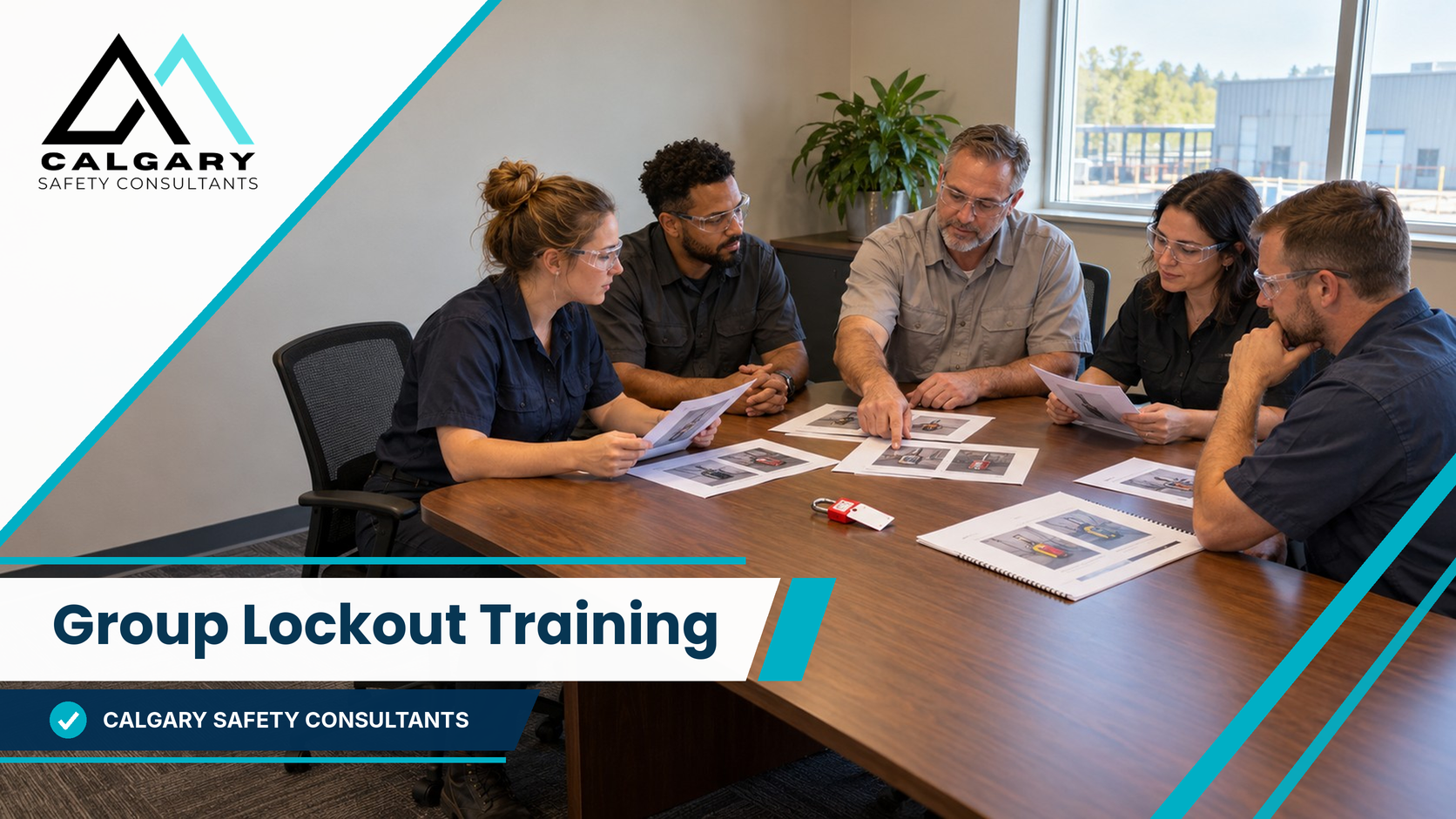
- group lockout and shift change scenarios
- certificate arrangements confirmed in the proposal
Weak lockout practices show up as amputations, crush injuries, burns, electrical contact, workers’ compensation claims, stop-work orders and repeat audit findings. Strong ones show up as workers who lock out every time, procedures that match the machines, and supervisors who can show an auditor that lockouts are planned, verified and observed. For employers working toward or maintaining a Certificate of Recognition (COR), training records and current equipment-specific procedures support the evidence an auditor looks for.
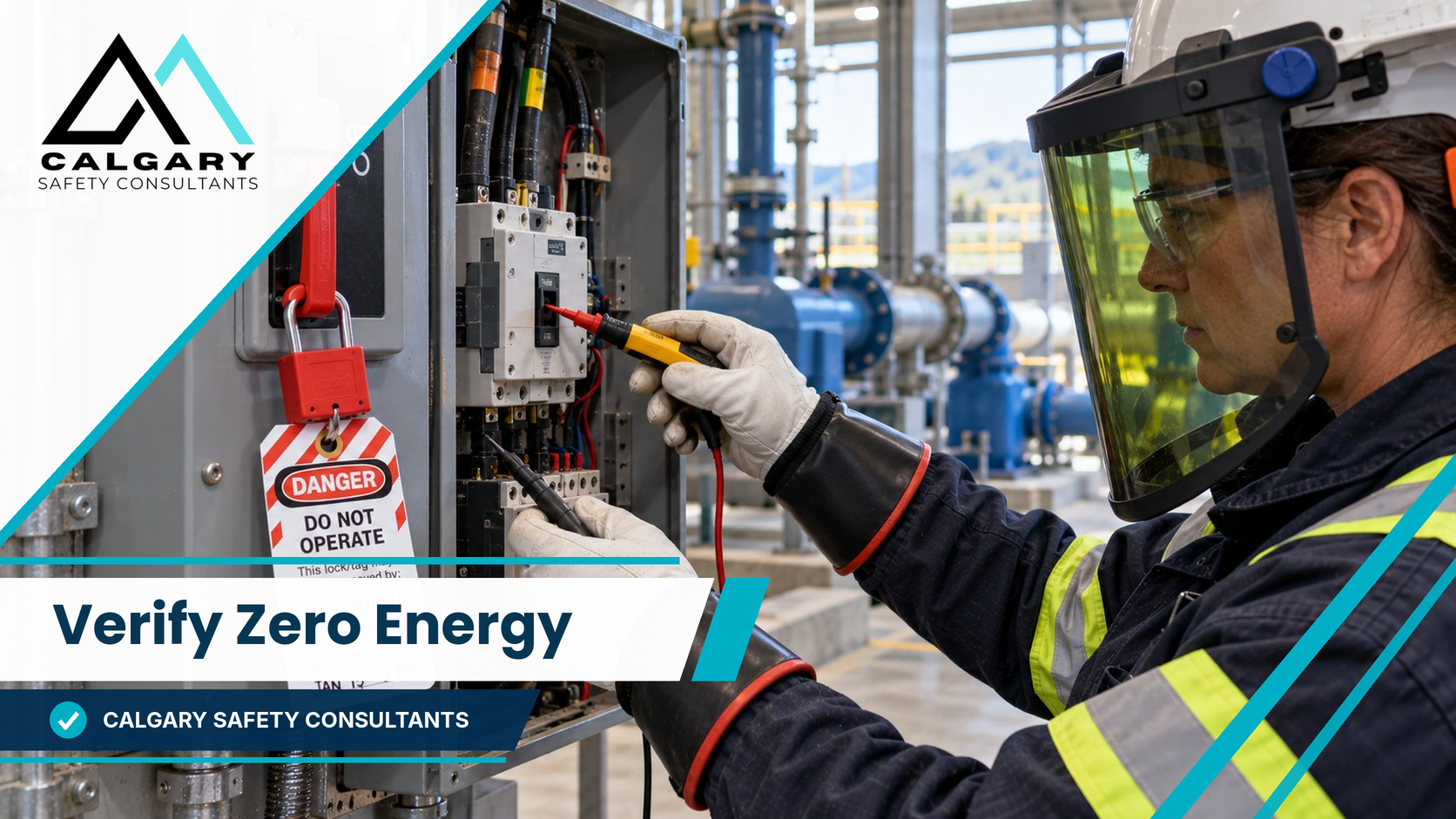
The training pays close attention to verification, because a lock on the wrong switch or pressure trapped behind a closed valve can look exactly like a safe machine. Participants learn to treat a stop button, E-stop, selector switch, interlock or PLC command as control devices, not isolation, and to prove zero energy at every source before work starts.
Training does not authorize anyone to lock out a specific machine, and it does not replace the employer’s lockout program, equipment-specific procedures or hands-on training. It gives participants a structured way to recognize hazardous energy, follow the program and speak up when something doesn’t match.