Workplace Safety Blog & OH&S Articles

Summary Content

Calgary Safety Consultants publishes practical workplace safety articles for employers, supervisors, managers, safety representatives, and business owners who need clear guidance on occupational health and safety requirements.

Our articles cover OH&S compliance, COR and SECOR readiness, safety manuals, hazard assessments, workplace inspections, incident reporting, WHMIS, TDG, safety training, emergency response planning, leadership, and safety culture.

The goal is simple: help employers understand what is required, what commonly goes wrong, and what practical steps can reduce risk before an incident, audit failure, claim, or regulatory issue creates a larger problem.

If your safety program is outdated, your documentation is incomplete, or your team needs help turning safety requirements into usable workplace practices, Calgary Safety Consultants can help.

Also, we write on a large number of topics, so feel free to use the search functions above to find the information you need. 
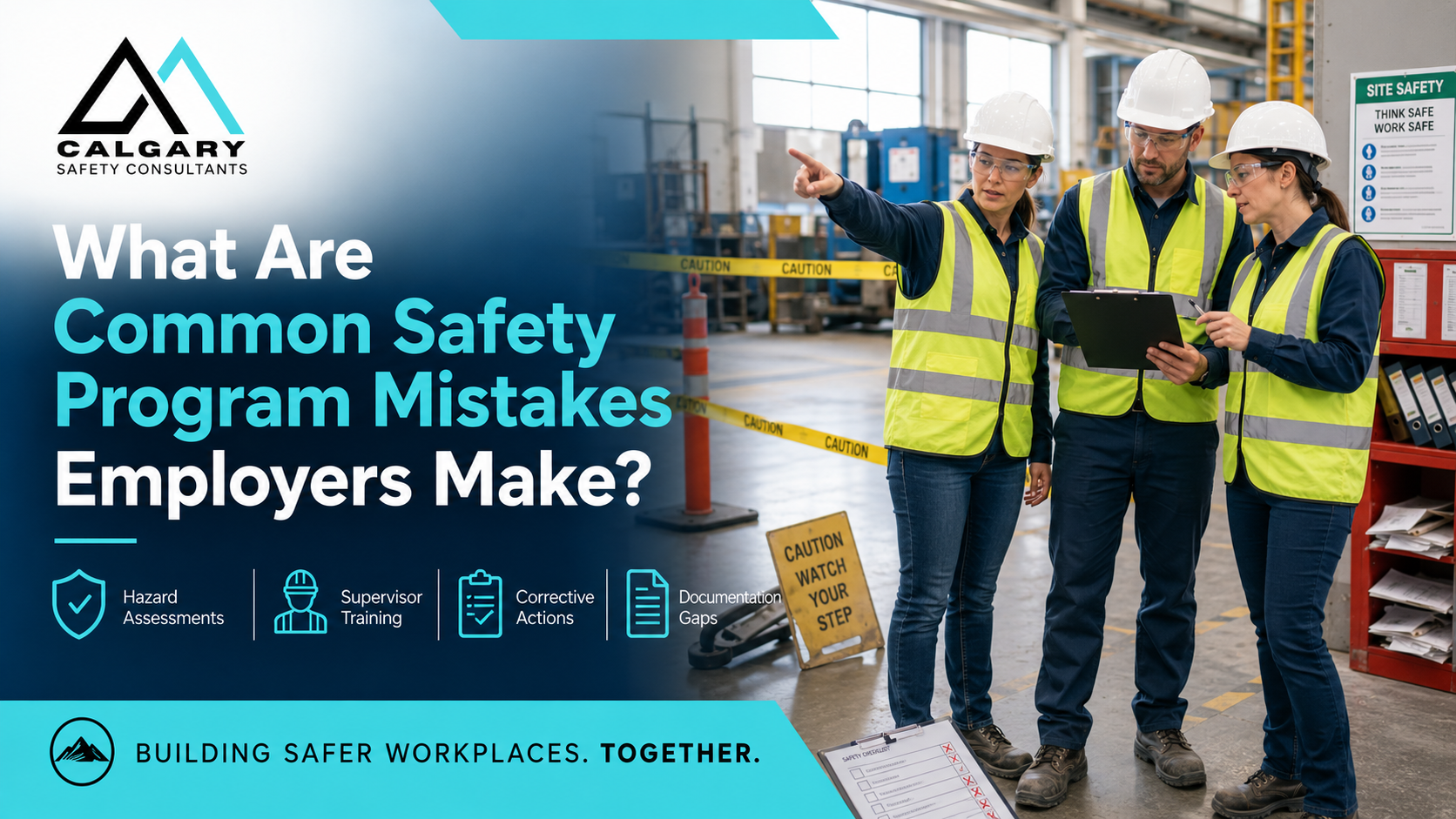
What Are Common Safety Program Mistakes Employers Make?

What Are Common Safety Program Mistakes Employers Make?

What are common safety program mistakes Canadian employers make? The most common mistakes include treating the safety program as paperwork, failing to complete meaningful hazard assessments, not training supervisors properly, ignoring corrective actions, and waiting until an audit or incid
June 25, 2026
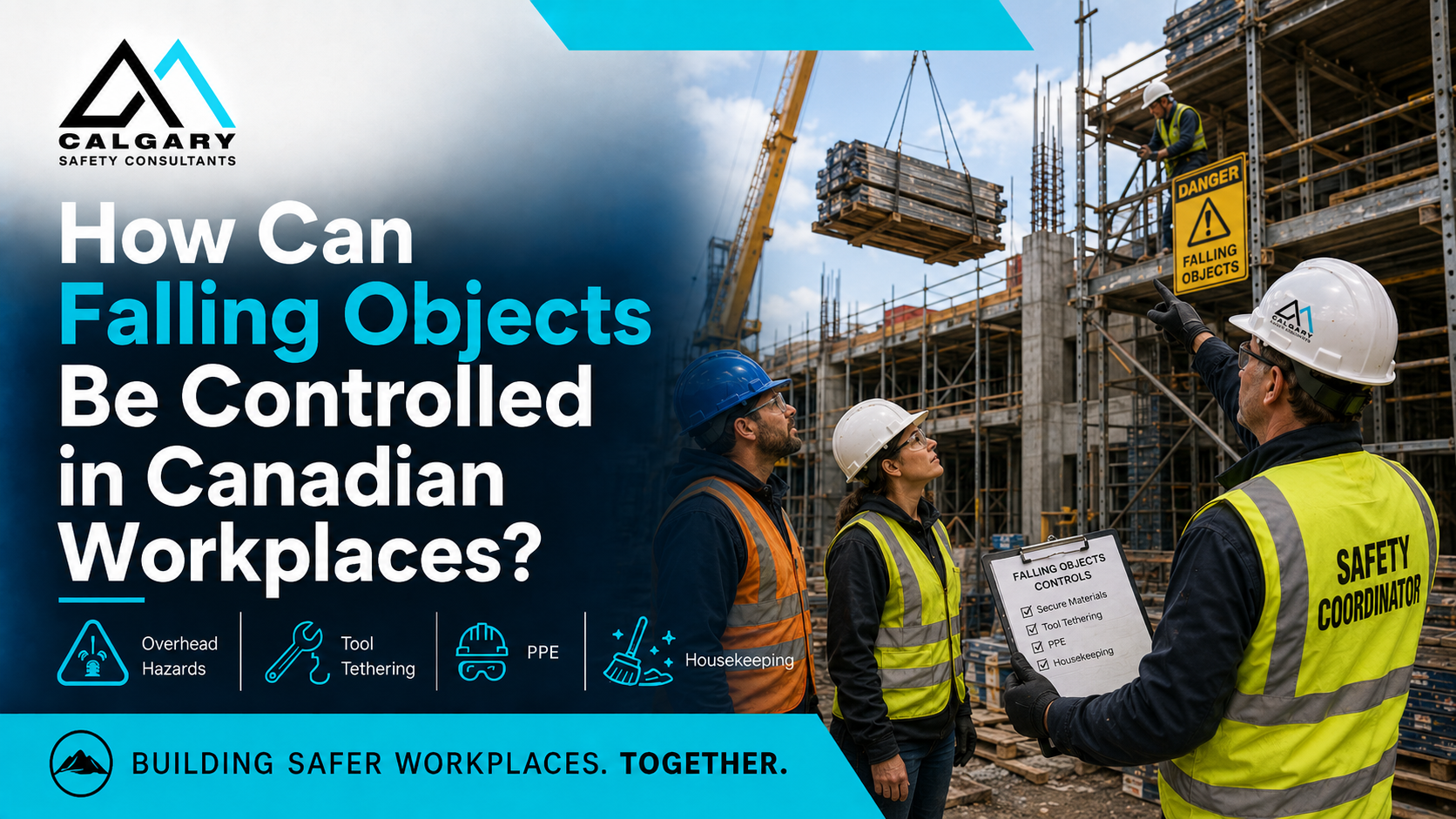
How Can Falling Objects Be Controlled in Canadian Workplaces?

How Can Falling Objects Be Controlled in Canadian Workplaces?

Falling Objects are one of those workplace hazards that can seem simple until something goes wrong. A dropped tool, unsecured material, loose pallet, overhead load, scaffold item, or object falling from a rack can cause serious injury in seconds. In Canadian workplaces, employers are expec
June 22, 2026
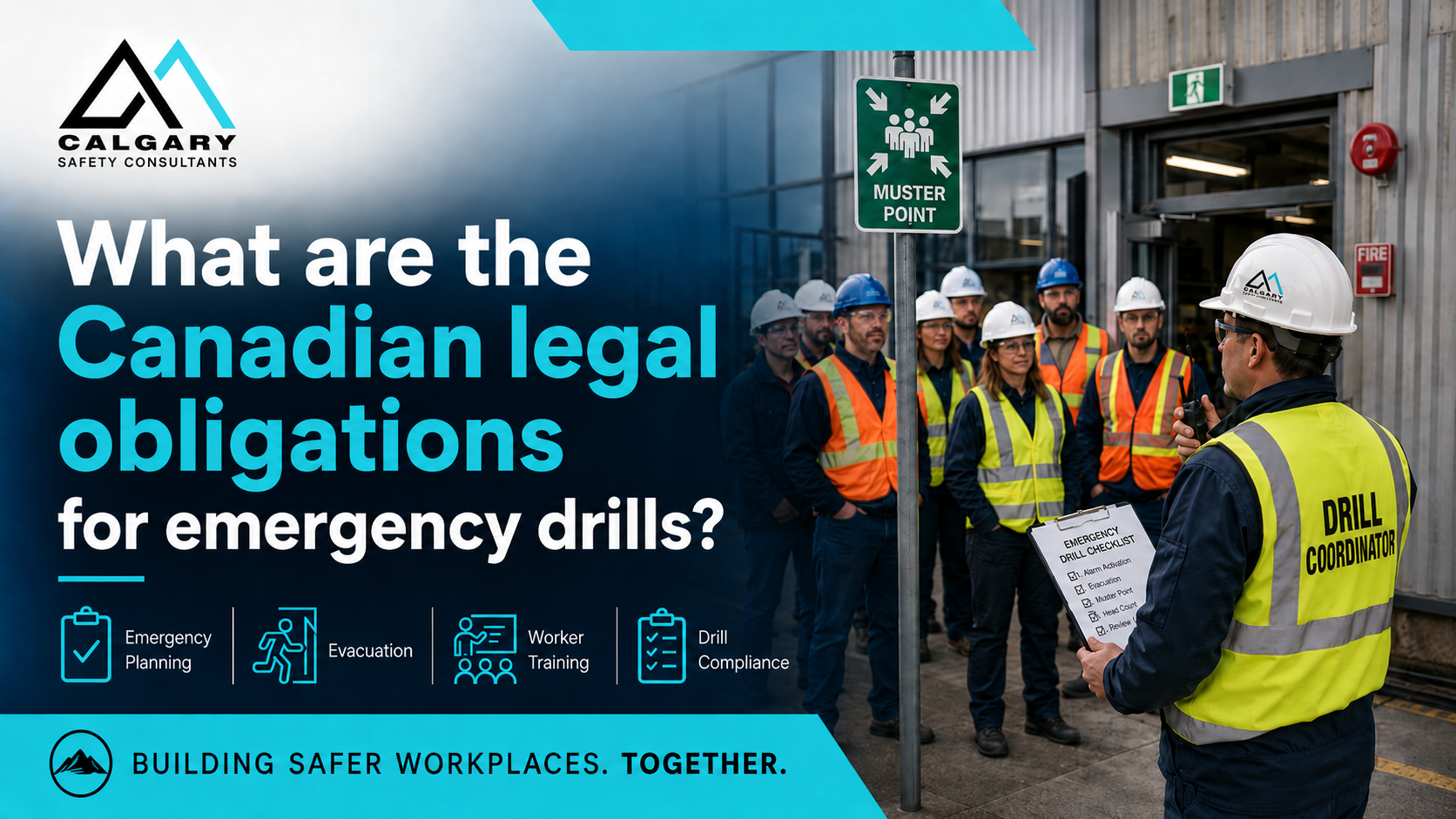
What are the Canadian Legal Obligations for Emergency Drills?

What are the Canadian Legal Obligations for Emergency Drills?

Emergency Drills are planned practice exercises that test whether workers know how to respond during a fire, evacuation, rescue, spill, medical emergency, severe weather event, or other workplace emergency. In Canada, employers are generally expected to have emergency procedures, train wor
June 18, 2026
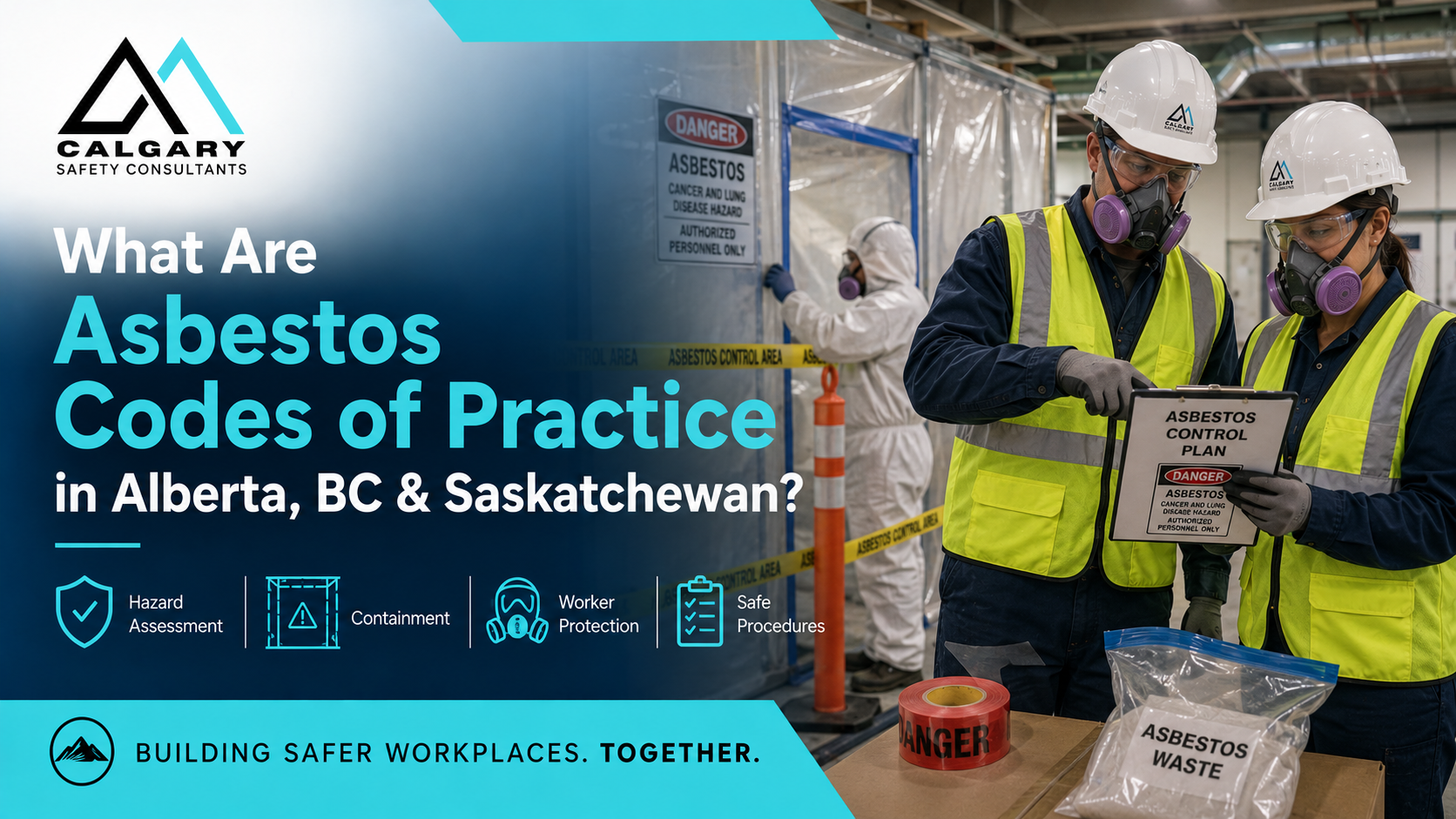
What Are Asbestos Code of Practices in Alberta, BC, and Saskatchewan?

What Are Asbestos Code of Practices in Alberta, BC, and Saskatchewan?

Asbestos Code of Practices in Alberta, BC, and Saskatchewan are written procedures that explain how an employer will identify asbestos hazards, assess exposure risk, train workers, control fibre release, manage waste, and meet provincial compliance duties before asbestos-containing materia
June 15, 2026
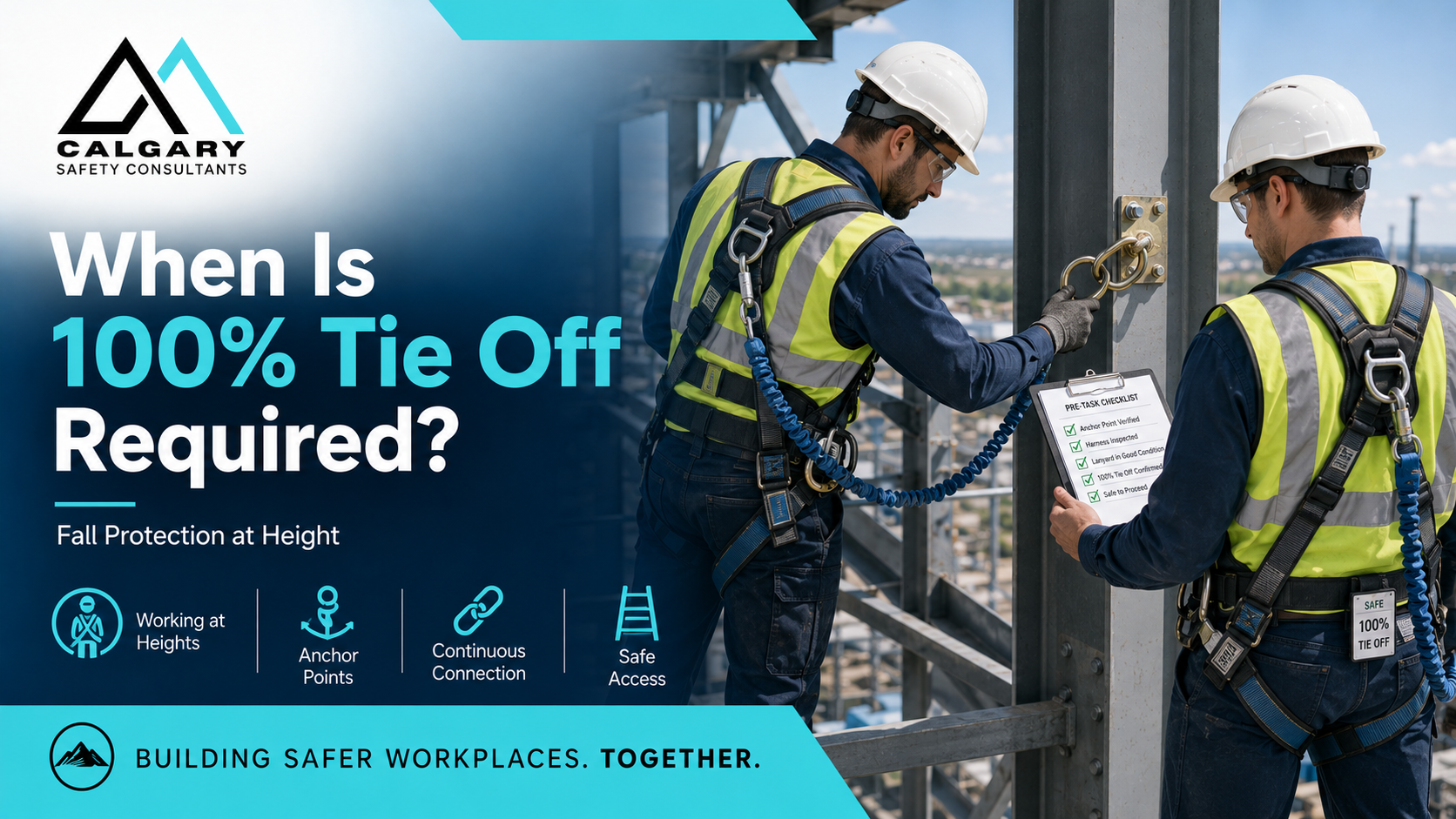
When Is 100% Tie Off in Fall Protection Required?

When Is 100% Tie Off in Fall Protection Required?

100% tie off in fall protection is required when a worker is exposed to a fall hazard and must remain continuously connected to an approved fall protection system. Across Alberta, British Columbia, Saskatchewan, and other Canadian jurisdictions, fall protection is commonly required at heig
June 11, 2026
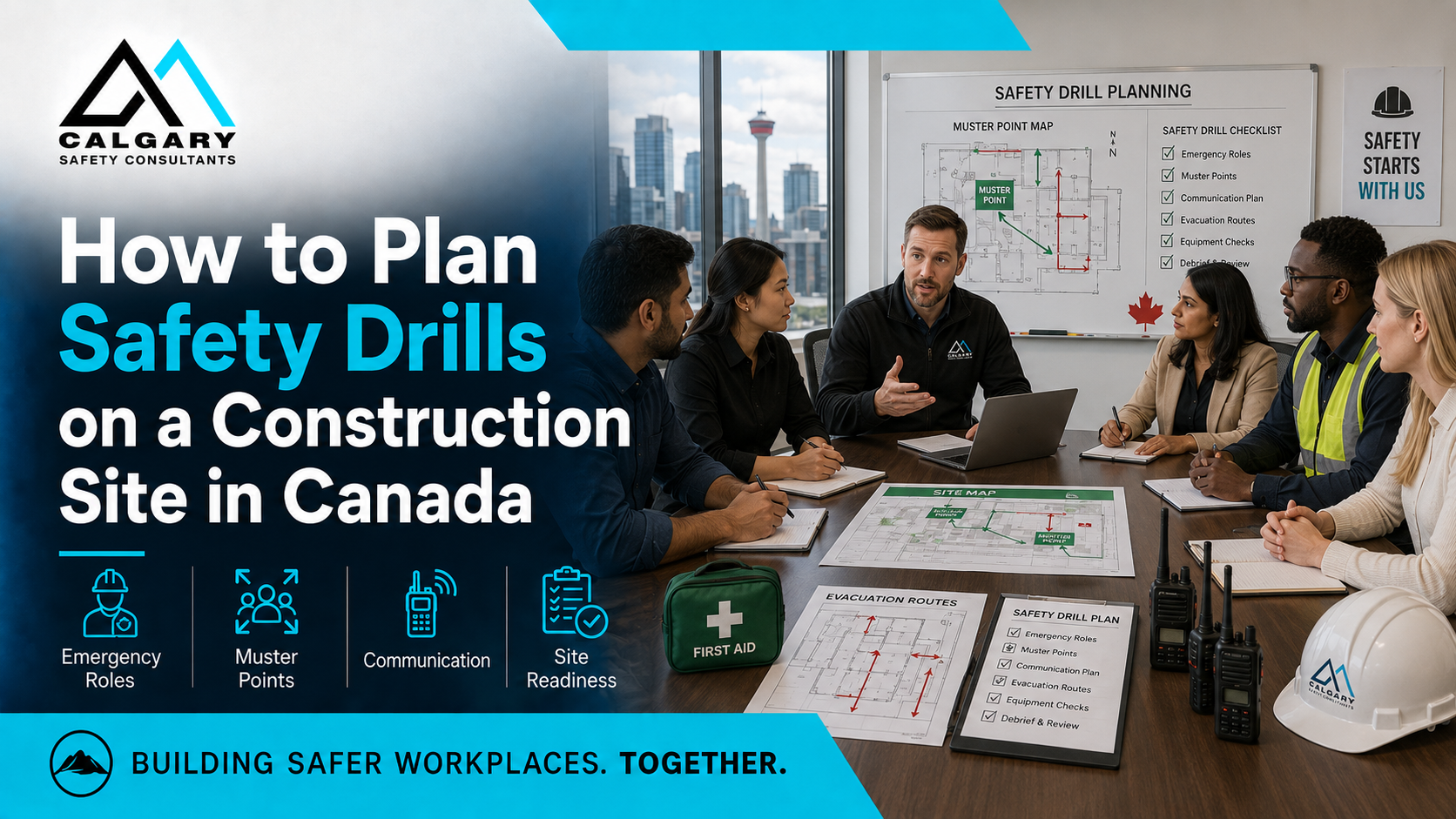
How to Plan Safety Drills on a Construction Site in Canada

How to Plan Safety Drills on a Construction Site in Canada

Planning construction site safety drills effectively transforms a static emergency plan into a practical tool for workers during critical situations. A strong drill program ensures that real site emergencies are recognized, roles are clearly defined, communication channels are tested, tabl
June 8, 2026
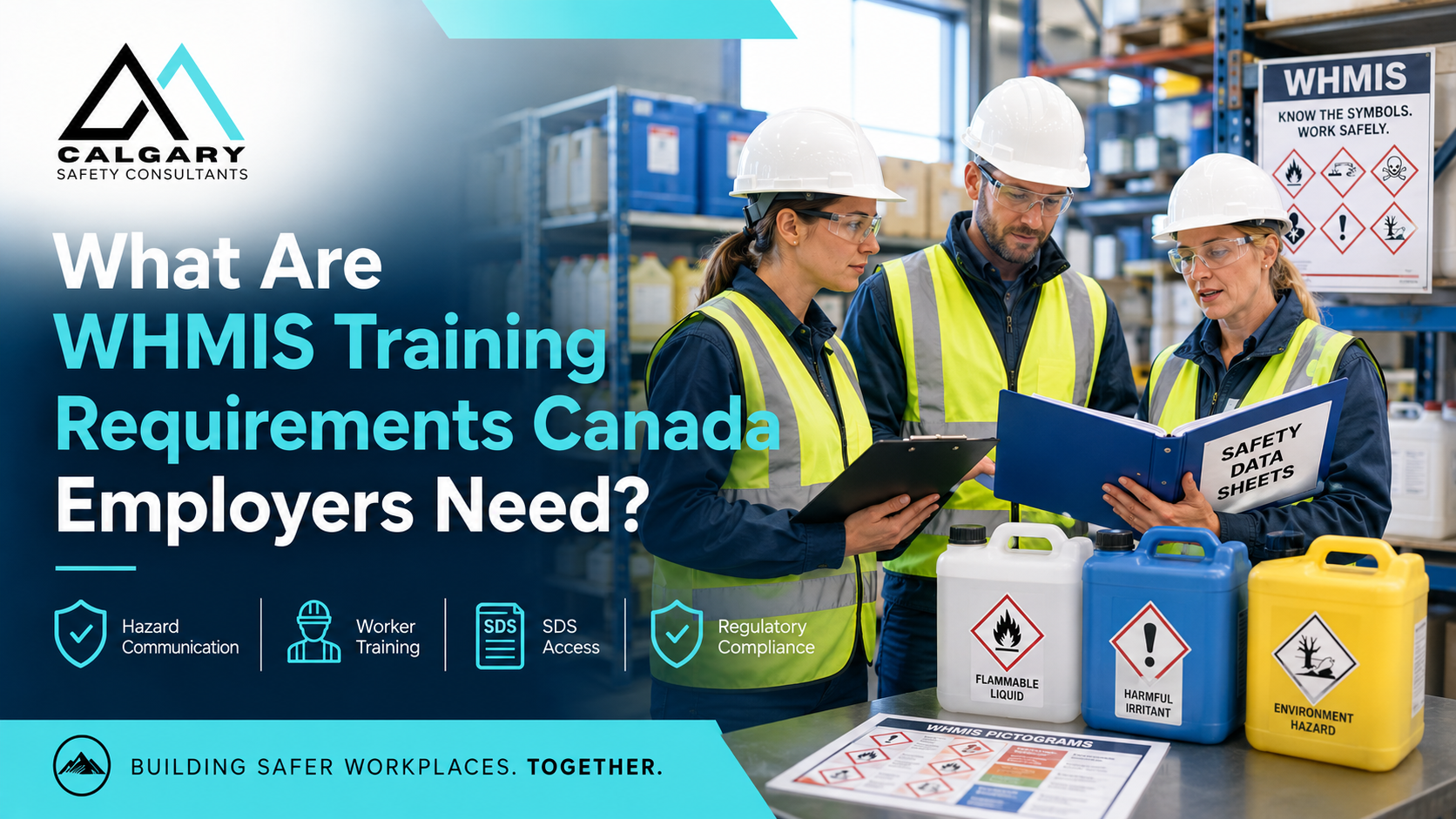
What Are WHMIS Training Requirements Canada Employers Need?

What Are WHMIS Training Requirements Canada Employers Need?

WHMIS training requirements Canada employers need to understand are straightforward in principle: if hazardous products are used, stored, handled, or produced in the workplace, workers must receive WHMIS education and job-specific training before they are exposed. WHMIS is not just a certi
June 4, 2026
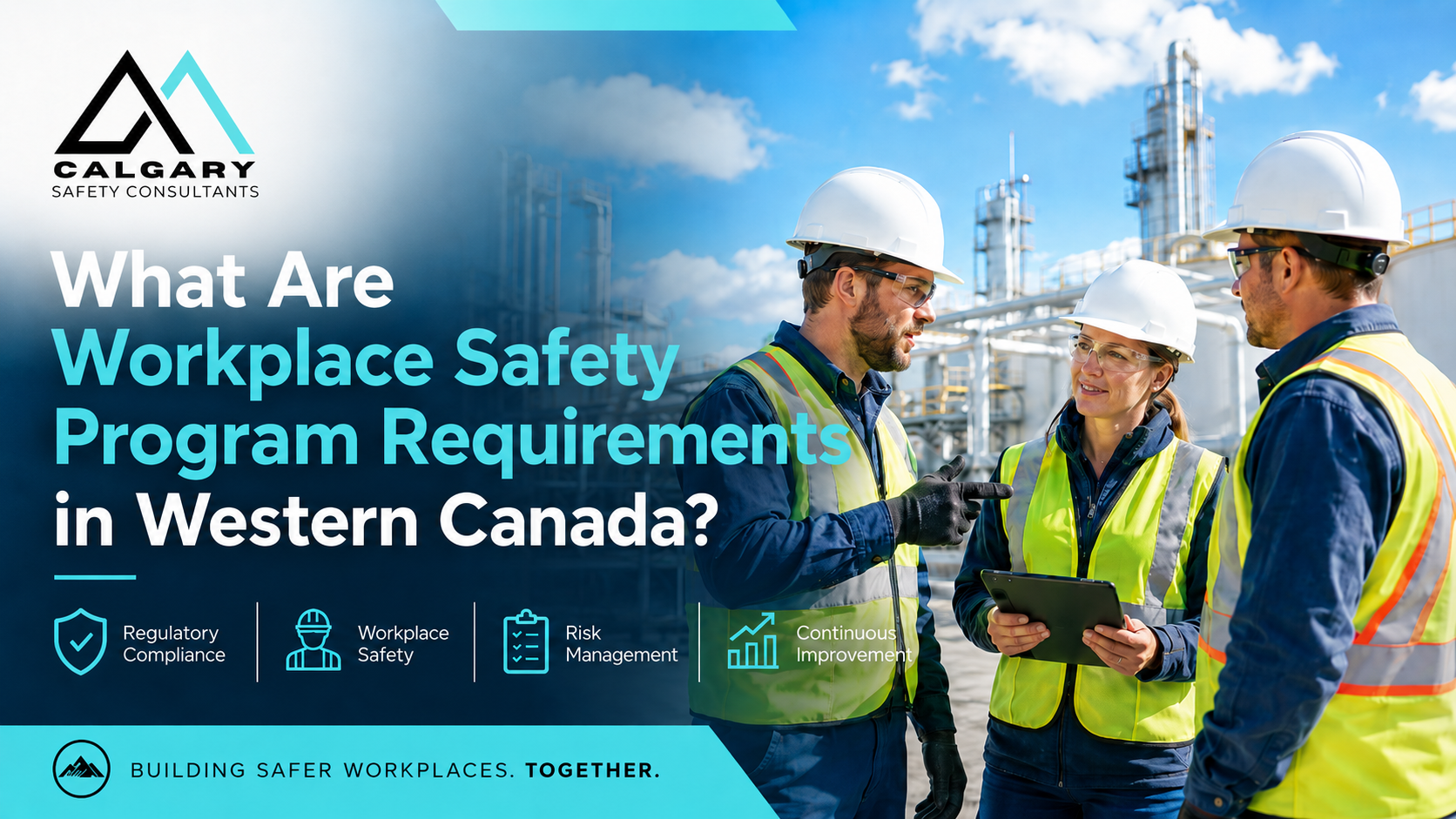
What Are Workplace Safety Program Requirements in Western Canada?

What Are Workplace Safety Program Requirements in Western Canada?

What are workplace safety program requirements? In Western Canada, they are the policies, procedures, training, inspections, hazard controls, emergency plans, worker participation processes, and records employers use to protect workers and meet occupational health and safety law. The exact
June 1, 2026
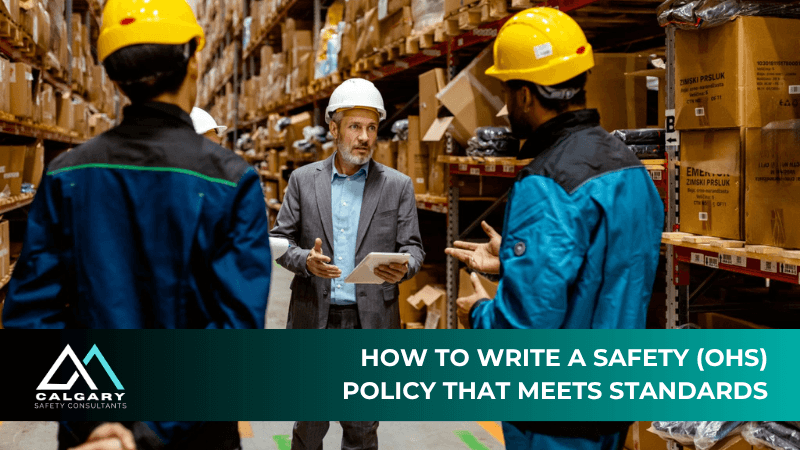
How to Write a Safety (OHS) Policy That Meets Standards

How to Write a Safety (OHS) Policy That Meets Standards

If you are trying to understand how to write a safety policy that actually works in a Canadian workplace, the focus should not be on wording alone. A strong policy clearly explains expectations, demonstrates real management commitment to safety, and connects directly to how work is perform
May 28, 2026
What Are Musculoskeletal Injuries and How Can You Prevent Them

What Are Musculoskeletal Injuries and How Can You Prevent Them

Musculoskeletal injuries are one of the most common and costly workplace issues across Canada, particularly in Alberta, British Columbia, and Saskatchewan. These injuries affect muscles, joints, tendons, ligaments, and nerves, and they often develop over time through repetitive strain, poo
May 25, 2026
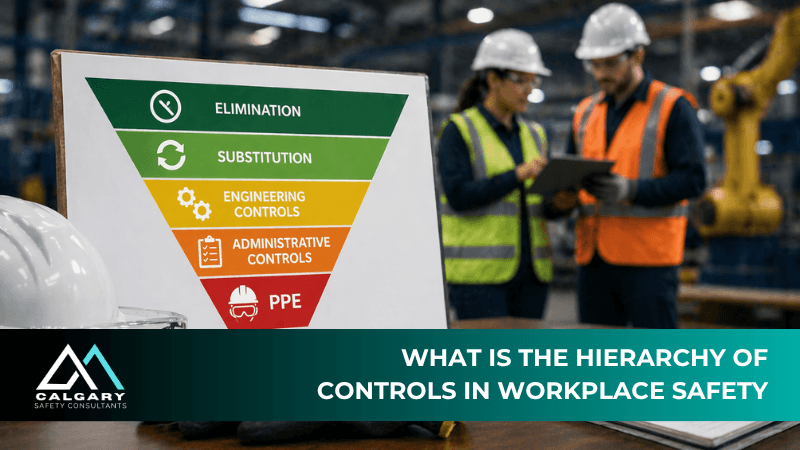
What Is the Hierarchy of Controls in Workplace Safety

What Is the Hierarchy of Controls in Workplace Safety

Understanding what is the hierarchy of controls is essential for any employer managing workplace risk in Canada. It is a structured approach used to eliminate or reduce hazards by applying the most effective controls first, rather than relying on weaker measures like personal protective eq
May 21, 2026
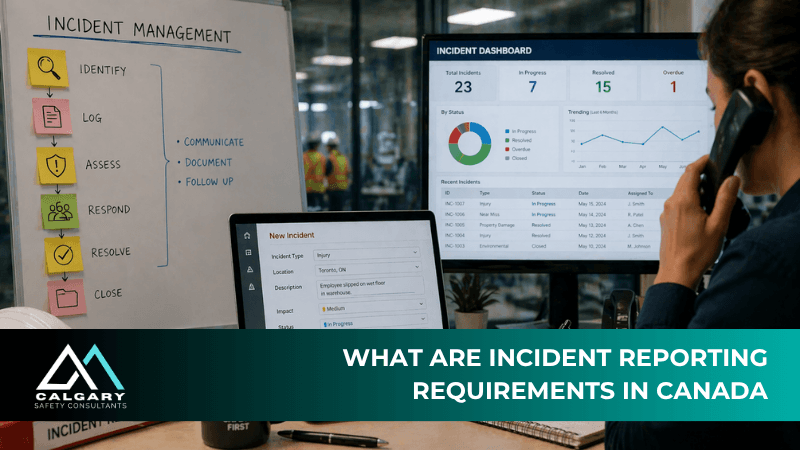
What Are Incident Reporting Requirements in Canada

What Are Incident Reporting Requirements in Canada

Understanding incident reporting requirements is critical for any employer operating in Canada. These requirements define what must be reported, when it must be reported, and who must be notified following a workplace incident. In Alberta, British Columbia, and Saskatchewan, failing to mee
May 18, 2026
How to Create an Emergency Response Plan That Works

How to Create an Emergency Response Plan That Works

If you are trying to understand how to create an emergency response plan, the goal is not just to meet a requirement. It is to build a system that actually works when something goes wrong. Across Canada, including Alberta, British Columbia, and Saskatchewan, employers are expected to have
May 14, 2026
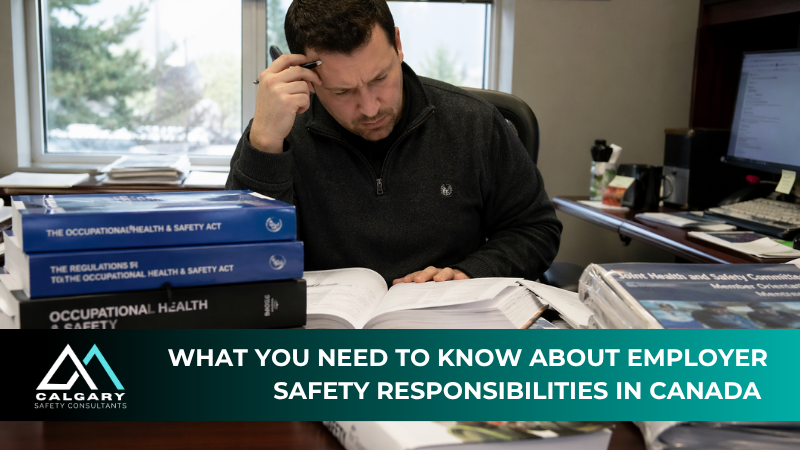
What you Need to Know about Employer Safety responsibilities in Canada

What you Need to Know about Employer Safety responsibilities in Canada

Understanding employer safety responsibilities Canada employers must meet is not just about compliance, it is about protecting workers, maintaining operations, and reducing long-term risk. Across Alberta, British Columbia, and Saskatchewan, employers are legally required to ensure the heal
May 11, 2026
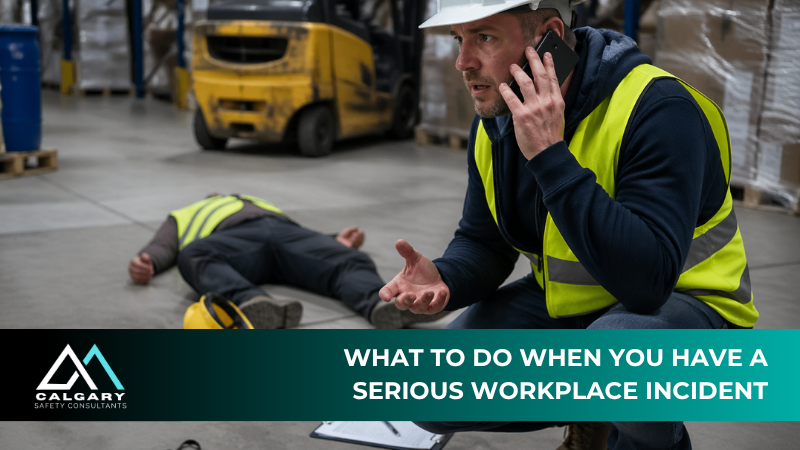
What to Do When You Have a Serious Workplace Incident

What to Do When You Have a Serious Workplace Incident

When you are figuring out what to do when you have a serious workplace incident, the priority is always the same: protect people, secure the scene, and meet your legal compliance requirements. In Canada, especially across Alberta, British Columbia, and Saskatchewan, serious incidents trigg
May 7, 2026
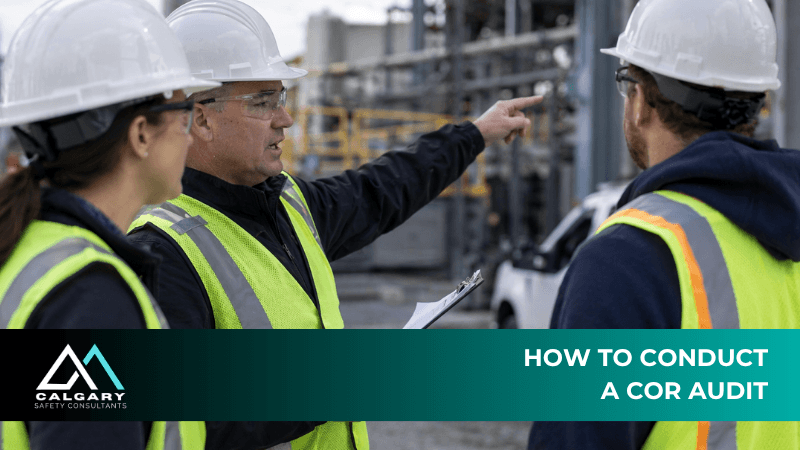
How to Conduct a COR Audit

How to Conduct a COR Audit

Many employers across Alberta, British Columbia, and Saskatchewan run into the same issue. They have a documented safety program, but when it comes time to prove it works in real conditions, gaps start to show. If you are trying to understand how to conduct a COR audit, you are not alone.
May 4, 2026
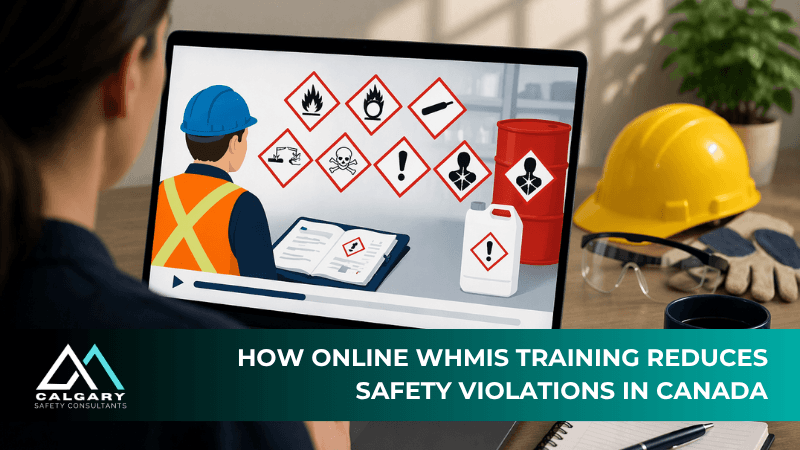
How Online WHMIS Training Reduces Safety Violations in Canada

How Online WHMIS Training Reduces Safety Violations in Canada

WHMIS training online is one of the most practical and scalable ways for Canadian employers to improve compliance, reduce incidents, and strengthen day-to-day hazard awareness. In industries across Alberta, British Columbia, and Saskatchewan, where chemical exposure risks are common and re
April 30, 2026
How to Build a Safety Program That Actually Works in Canada

How to Build a Safety Program That Actually Works in Canada

If you are trying to figure out how to build a safety program that works in real conditions, not just on paper, you are not alone. Many employers across Alberta, British Columbia, and Saskatchewan struggle with turning compliance requirements into something practical, usable, and enforceab
April 27, 2026
What Is Workplace Safety Culture and Why It Matters in Canada

What Is Workplace Safety Culture and Why It Matters in Canada

Workplace safety culture refers to the shared values, attitudes, and behaviors that determine how seriously safety is taken in an organization, and it directly influences how work is performed every day. In practical terms, a strong workplace safety culture means workers consistently ident
April 23, 2026
What Is a Job Hazard Assessment and How to Do It Right

What Is a Job Hazard Assessment and How to Do It Right

A job hazard assessment is a structured process used to identify hazards associated with specific job tasks and implement controls before work begins, and it is one of the most practical tools for preventing incidents in Canadian workplaces. When done properly, it connects real work activi
April 20, 2026
What Is Temporary COR Certified in Canada?

What Is Temporary COR Certified in Canada?

A temporary COR certified status means your company has entered the Certificate of Recognition process and has demonstrated enough progress to show that a real safety management system is being developed and put into use. Temporary COR certified also means a company has started implementin
April 16, 2026
How OH&S Consulting Services Improve Safety Performance

How OH&S Consulting Services Improve Safety Performance

If your objective is to reduce incidents, strengthen compliance, and build a more reliable safety culture, OH&S consulting services provide the structure and expertise needed to achieve those results, especially in high-risk industries across Canada. In many cases, organizations begin to s
April 13, 2026
Online Safety Training Canada: Reduce Workplace Violations

Online Safety Training Canada: Reduce Workplace Violations

If you are trying to reduce workplace safety violations and improve compliance, online safety training in Canada is one of the most effective and scalable tools available today. Online safety training in Canada refers to structured digital training programs that deliver workplace safety ed
April 9, 2026
How to Approach Safety Program Development That Actually Works

How to Approach Safety Program Development That Actually Works

Safety program development in Canada is not just about compliance; it is about building a system that actively prevents incidents, improves operations, and supports long-term business success. Across provinces like Alberta, British Columbia, and Saskatchewan, organizations are expected to
April 6, 2026

Calgary Safety Consultants (CSC) specializes in providing expert Occupational Health & Safety (OH&S) solutions, including COR audits, safety consulting, and risk management. With over 30 years of experience, we serve high-risk industries like oil & gas, construction, and manufacturing in Calgary and beyond. Our tailored, proven approach helps businesses enhance safety, reduce risks, and achieve compliance. Let us support your team’s journey toward a safer workplace. 

Book a Free OH&S Consultation

Need help with a safety manual, COR audit preparation, OHS order, hazard assessment, training, or ongoing safety support? Complete the form below or book a 30-minute consultation. We will review your situation, identify the next practical step, and explain how Calgary Safety Consultants can help.

Prefer to book directly?

Request your 30-minute consultation today by completing the calendar appointment below.